

Helianthus annuus

SONNENBLUME

Englische Bezeichnung: Sunflower
Spanische Bezeichnung: Girasol, Calom, Jaquima, Mirasol

Familie  

Korbblütler (Asteraceae)

Die Sonnenblume stammt ursprünglich aus Nordamerika, wo sie schon vor über 4.000 Jahren von indigenen Völkern kultiviert wurde – sowohl als Nahrungsmittel (Samen, Öl) als auch für zeremonielle Zwecke. Mit der spanischen Kolonisation gelangte sie im 16. Jahrhundert nach Europa, wo sie zunächst als Zierpflanze beliebt war. Ab dem 18. Jahrhundert erkannte man ihr großes Potenzial als Ölpflanze, besonders in Russland, das lange Zeit führend im Anbau war.
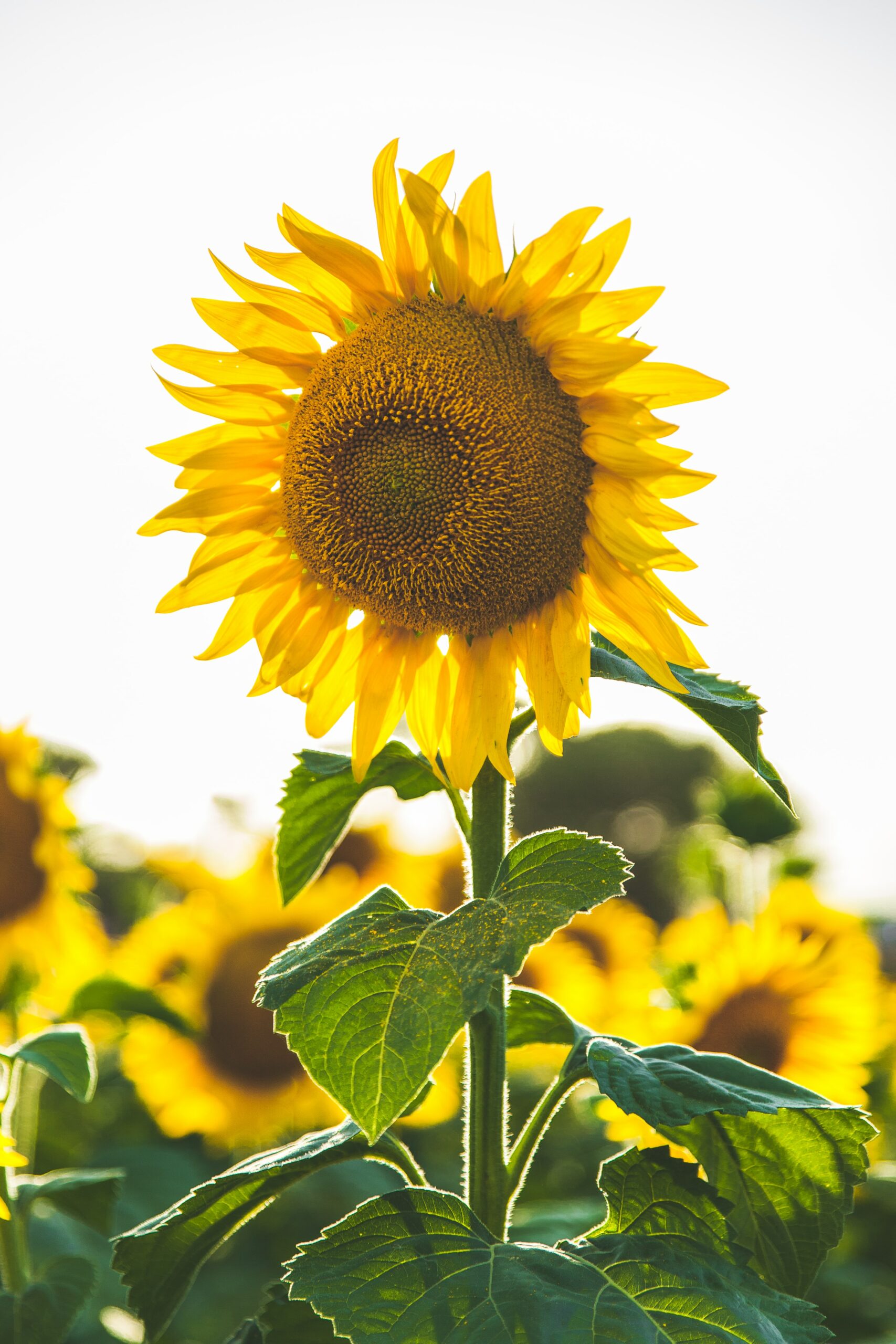
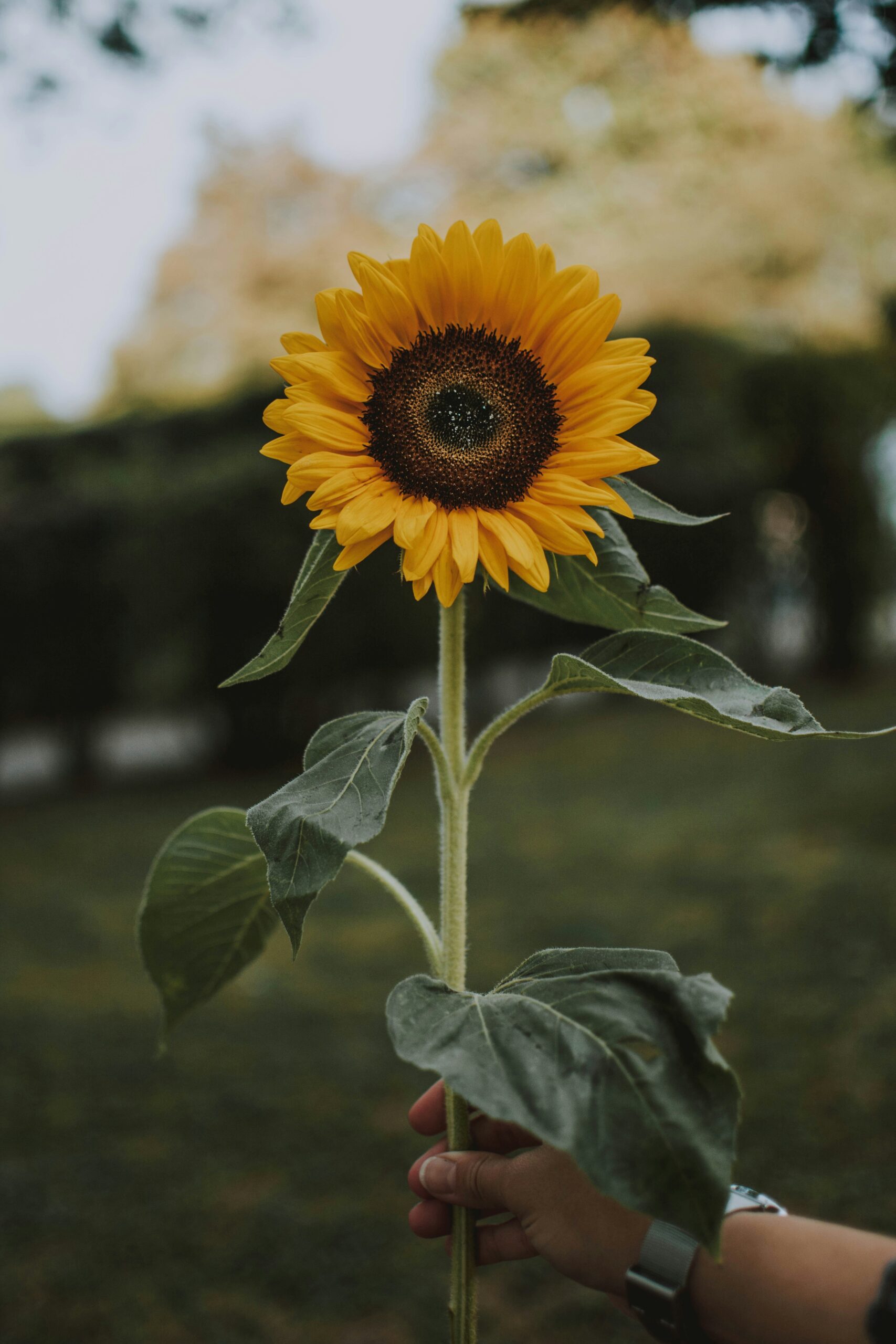
Charakteristisch ist ihr riesiger Blütenstand, der eigentlich aus Hunderten kleiner Einzelblüten besteht, und die Fähigkeit der jungen Pflanze zum Heliotropismus: sie folgt dem Lauf der Sonne. Diese Eigenschaft machte sie zu einem weltweiten Symbol für Licht, Leben und Hoffnung.
Heute zählt die Sonnenblume zu den wichtigsten Ölpflanzen der Welt. Neben ihrer wirtschaftlichen Bedeutung ist sie auch kulturell verankert – etwa in der Kunst von Vincent van Gogh – und wird in vielen Ländern als Zeichen für Erneuerung, Energie und Frieden genutzt.
 

Family

Compositae (Asteraceae)

The sunflower originates from North America, where it was cultivated by indigenous peoples over 4,000 years ago – both as a food source (seeds, oil) and for ceremonial purposes. With Spanish colonisation, it arrived in Europe in the 16th century, where it was initially popular as an ornamental plant. From the 18th century onwards, its great potential as an oil plant was recognised, especially in Russia, which was a leader in its cultivation for a long time.
Characteristic features include its huge inflorescence, which actually consists of hundreds of small individual flowers, and the young plant’s ability to perform heliotropism: it follows the course of the sun. This characteristic made it a worldwide symbol of light, life and hope.
Today, the sunflower is one of the most important oil plants in the world. In addition to its economic importance, it is also culturally significant – for example, in the art of Vincent van Gogh – and is used in many countries as a symbol of renewal, energy and peace.

Familia

Compus (Asteraceae)

El girasol es originario de América del Norte, donde ya hace más de 4000 años era cultivado por los pueblos indígenas, tanto como alimento (semillas, aceite) como para fines ceremoniales. Con la colonización española llegó a Europa en el siglo XVI, donde inicialmente fue popular como planta ornamental. A partir del siglo XVIII se reconoció su gran potencial como planta oleaginosa, especialmente en Rusia, que durante mucho tiempo fue líder en su cultivo.
Se caracteriza por su enorme inflorescencia, que en realidad está formada por cientos de pequeñas flores individuales, y por la capacidad de la planta joven para el heliotropismo: sigue la trayectoria del sol. Esta característica la convirtió en un símbolo mundial de luz, vida y esperanza.
Hoy en día, el girasol es una de las plantas oleaginosas más importantes del mundo. Además de su importancia económica, también está arraigado culturalmente, por ejemplo, en el arte de Vincent van Gogh, y se utiliza en muchos países como símbolo de renovación, energía y paz.