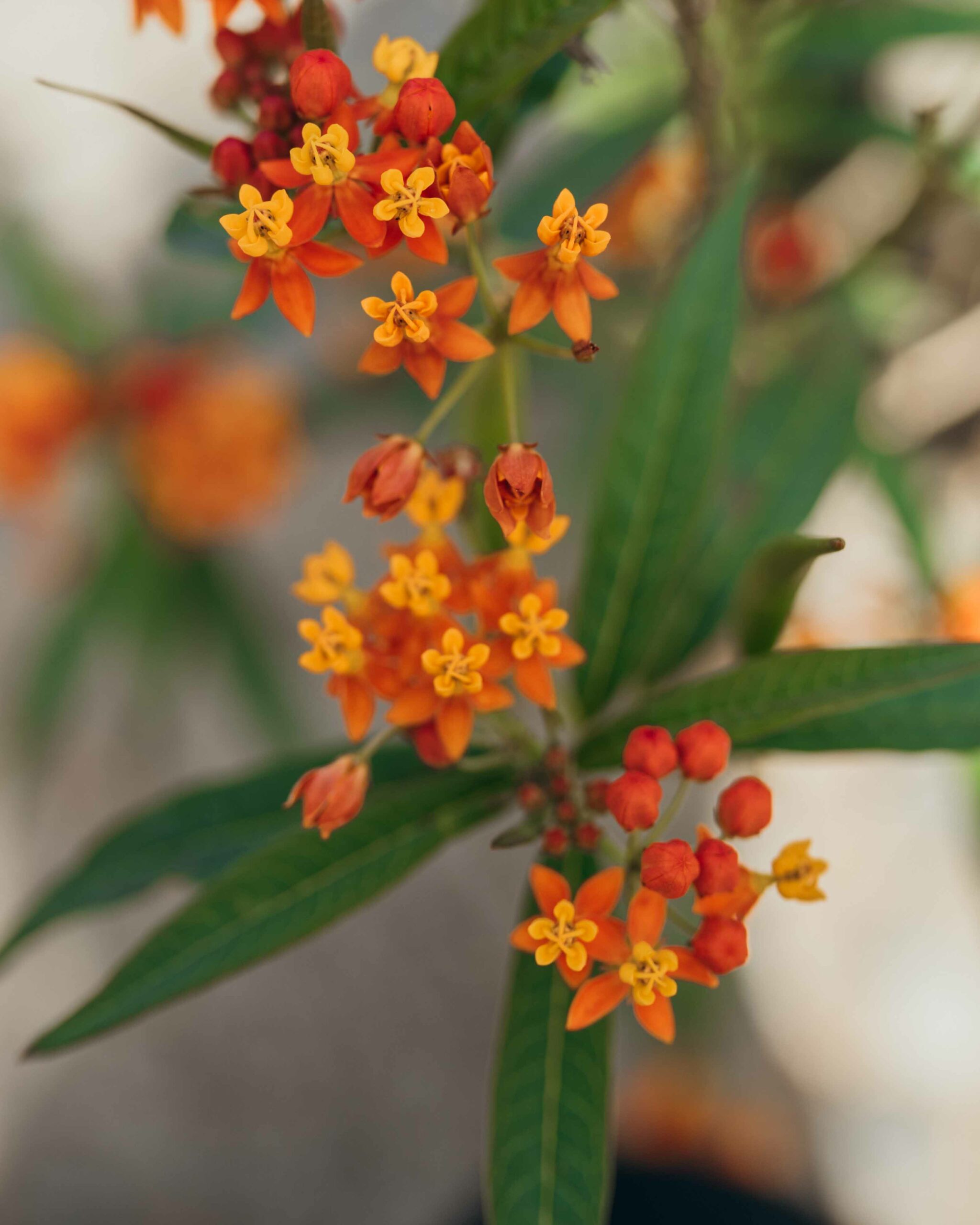


Asclepias curassavica

INDIANER-SEIDENPFLANZE

Englische Bezeichnung: tropical milkweed, bloodflower or blood flower, cotton bush, Mexican butterfly weed, redhead

Spanische Bezeichnung: Algodoncillo, venenillo, bandera española,  flor de sangre, platanillo, hierba María, mata ganado, burladora

Familie  

Hundsgiftgewächse (Apocynaceae)
Die Indianer-Seidenpflanze stammt aus Nordamerika und war dort schon für die indigenen Völker von großer Bedeutung. Sie nutzten die Pflanze vielseitig – die Fasern für Seile und Stoffe, den Milchsaft für Heilzwecke und sogar die jungen Pflanzenteile nach spezieller Zubereitung als Nahrung.
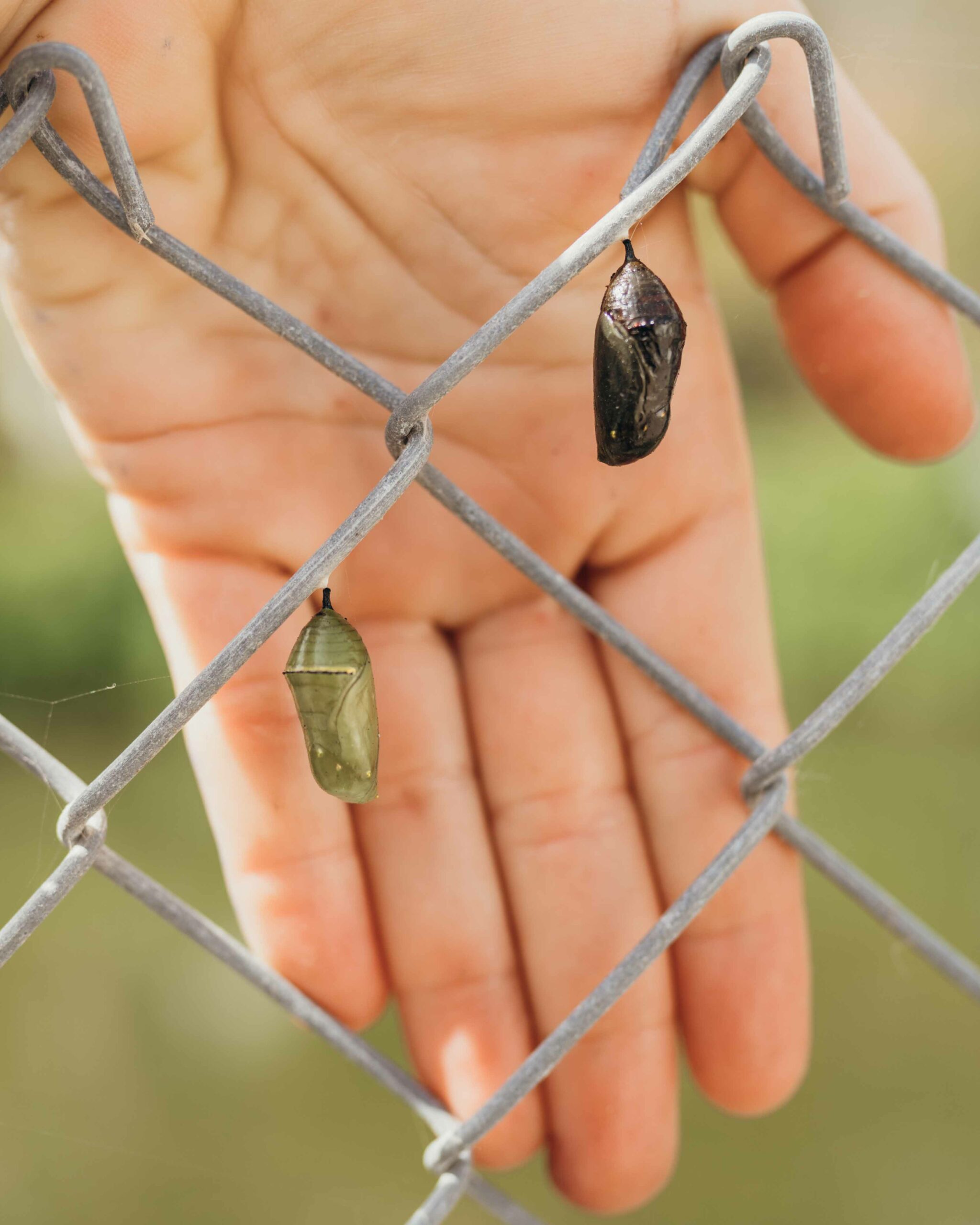
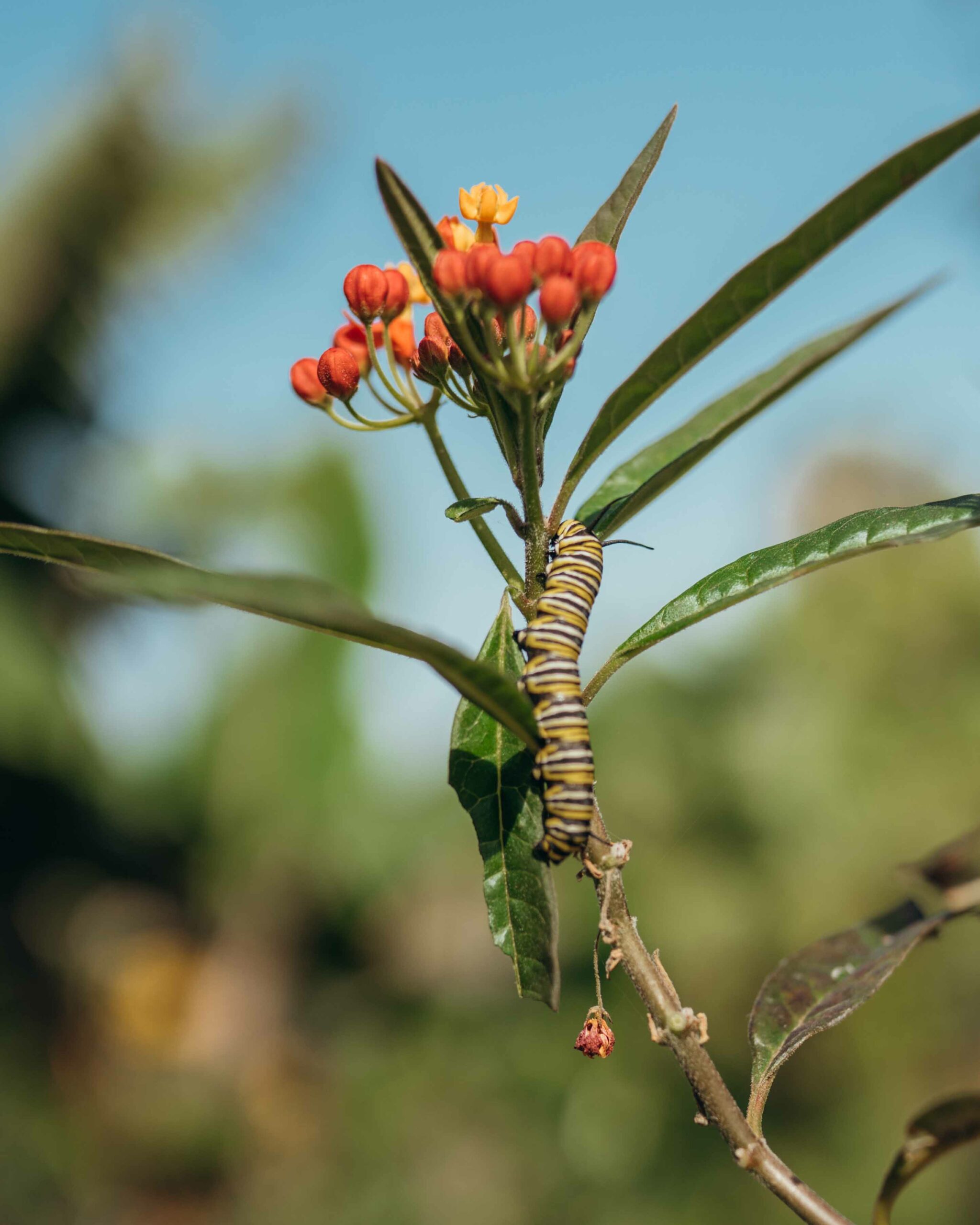
Auffällig sind ihre großen, kugeligen Blütenstände mit vielen rosa bis purpurfarbenen Einzelblüten. Sie verströmen einen intensiven, süßen Duft, der zahlreiche Insekten anzieht. Besonders wichtig ist die Pflanze für den Monarchfalter: Dessen Raupen ernähren sich ausschließlich von Seidenpflanzen. Damit trägt sie wesentlich zum Schutz dieser faszinierenden Schmetterlinge bei.
Auch die Samen sind bemerkenswert: Sie besitzen seidige, weiße Haare, die wie kleine Fallschirme wirken und vom Wind weit getragen werden – daher der Name „Seidenpflanze“.
Obwohl sie schön und nützlich ist, sollte man vorsichtig sein: Der weiße Milchsaft ist giftig.
Die Indianer-Seidenpflanze vereint also Kulturgeschichte, Schönheit und ökologische Bedeutung – ein Paradebeispiel dafür, wie Pflanzen Mensch und Natur gleichermaßen bereichern.

Family

Dogbane family (Apocynaceae)
The Indian silk plant originates from North America, where it was already of great importance to the indigenous peoples. They used the plant in many ways – the fibres for ropes and fabrics, the milky sap for medicinal purposes and even the young parts of the plant as food after special preparation.
Its large, spherical inflorescences with many pink to purple individual flowers are striking. They exude an intense, sweet fragrance that attracts numerous insects. The plant is particularly important for the monarch butterfly: its caterpillars feed exclusively on milkweed plants. It thus contributes significantly to the protection of these fascinating butterflies.
The seeds are also remarkable: they have silky white hairs that act like small parachutes and are carried far by the wind – hence the name “silk plant”.
Although it is beautiful and useful, caution should be exercised: the white milky sap is poisonous.
The milkweed thus combines cultural history, beauty and ecological significance – a prime example of how plants enrich both humans and nature alike.

Familie  

Apocináceas
La planta de seda india es originaria de América del Norte, donde ya era muy importante para los pueblos indígenas. Estos utilizaban la planta de múltiples maneras: las fibras para cuerdas y tejidos, la savia lechosa con fines curativos e incluso las partes jóvenes de la planta, tras una preparación especial, como alimento.
Destacan sus grandes inflorescencias esféricas con numerosas flores individuales de color rosa a púrpura. Desprenden un aroma intenso y dulce que atrae a numerosos insectos. La planta es especialmente importante para la mariposa monarca: sus orugas se alimentan exclusivamente de plantas de seda. De este modo, contribuye de manera significativa a la protección de estas fascinantes mariposas.
Las semillas también son notables: tienen pelos blancos y sedosos que actúan como pequeños paracaídas y son transportados por el viento, de ahí el nombre de «planta de seda».
Aunque es hermosa y útil, hay que tener cuidado: la savia blanca es venenosa.
La planta de seda india combina, por tanto, historia cultural, belleza e importancia ecológica, un ejemplo paradigmático de cómo las plantas enriquecen tanto al ser humano como a la naturaleza.