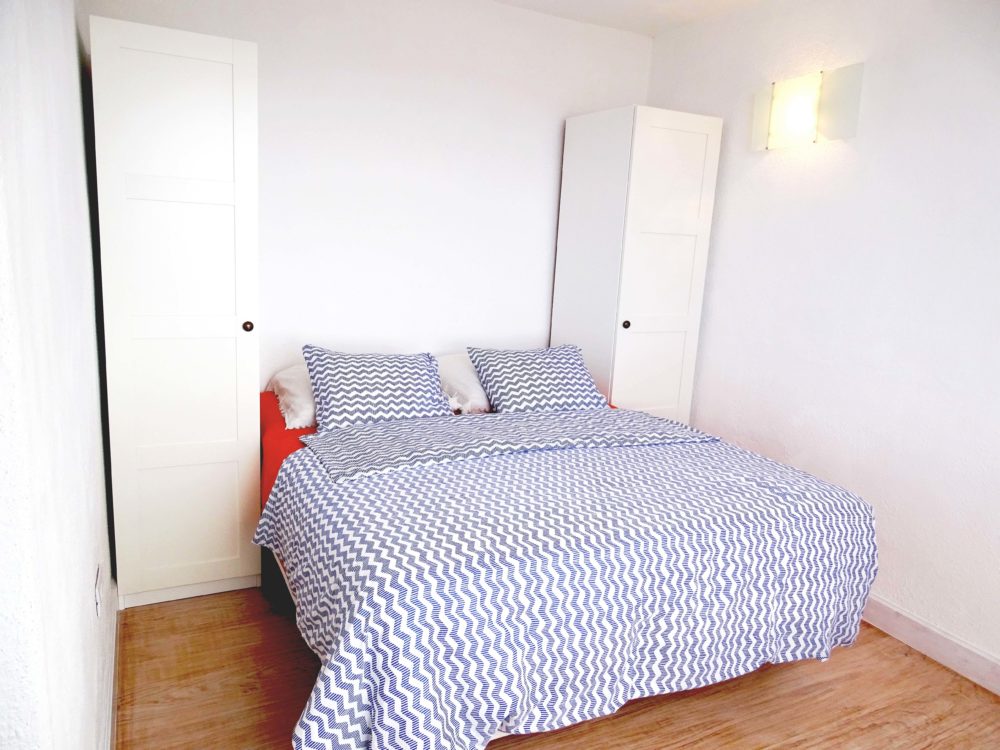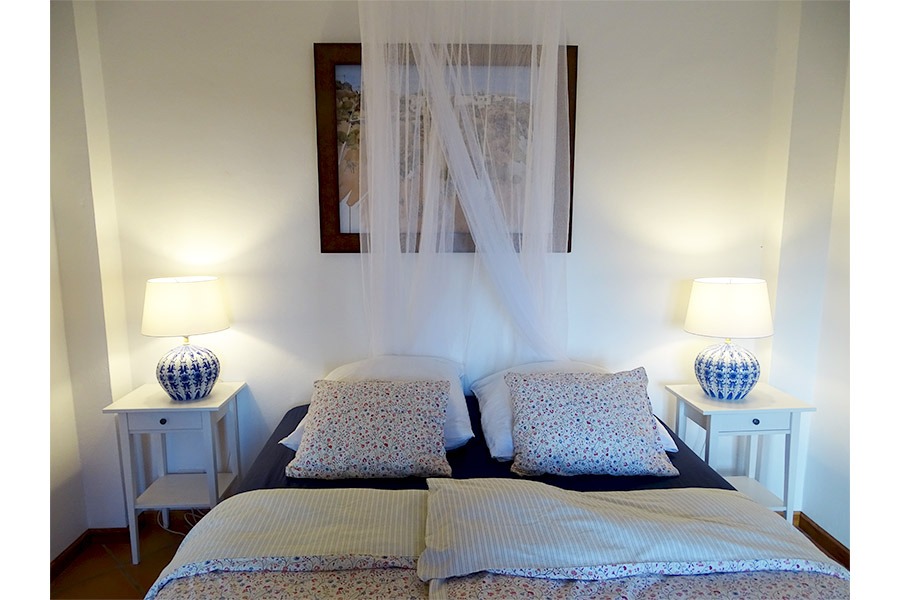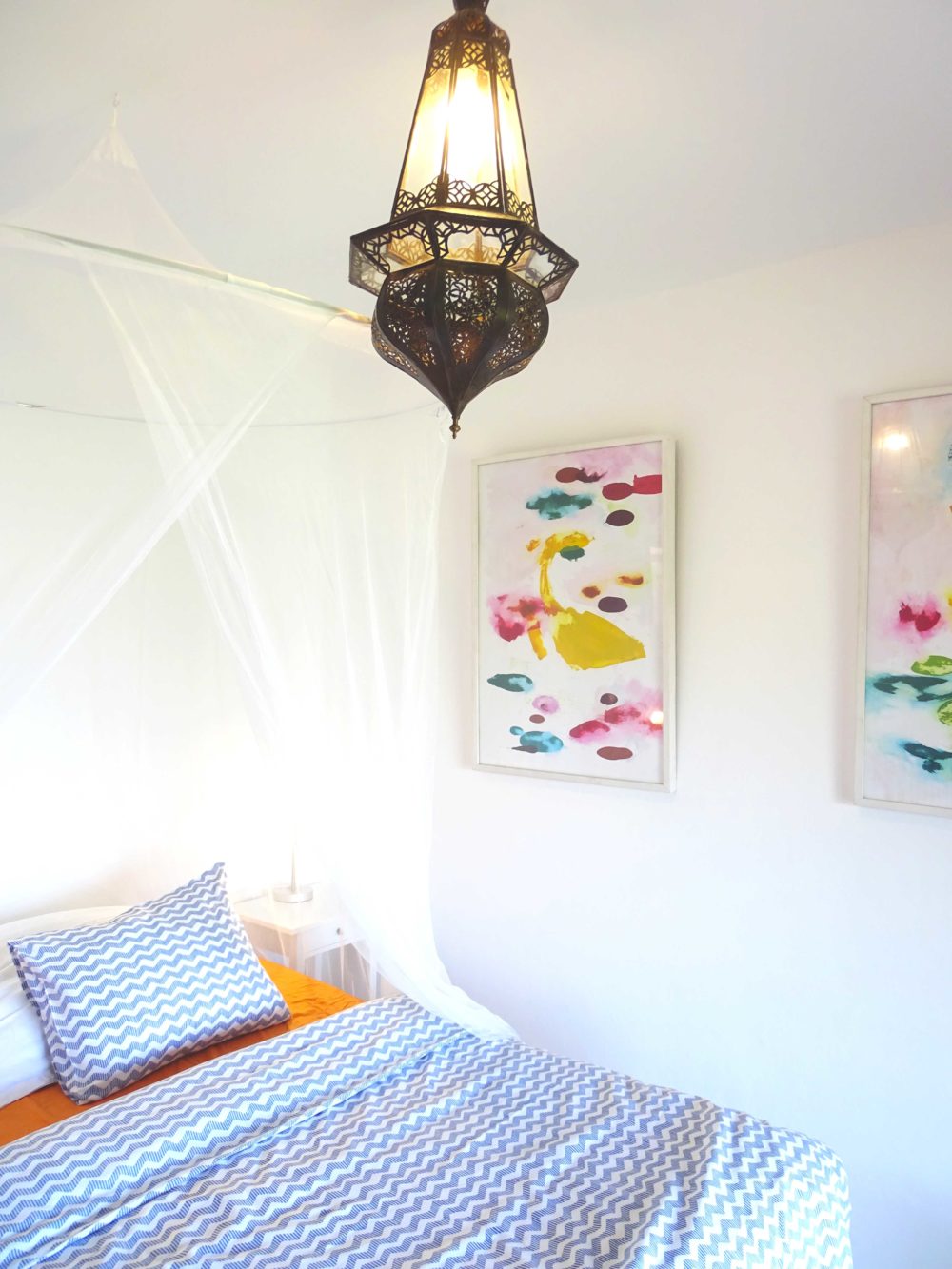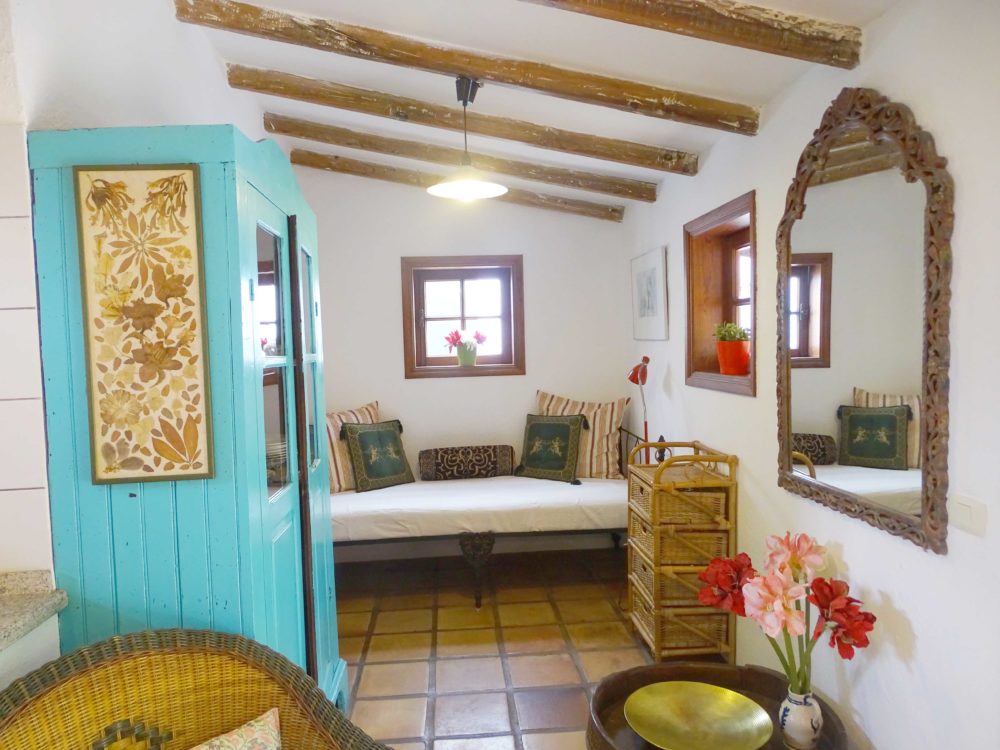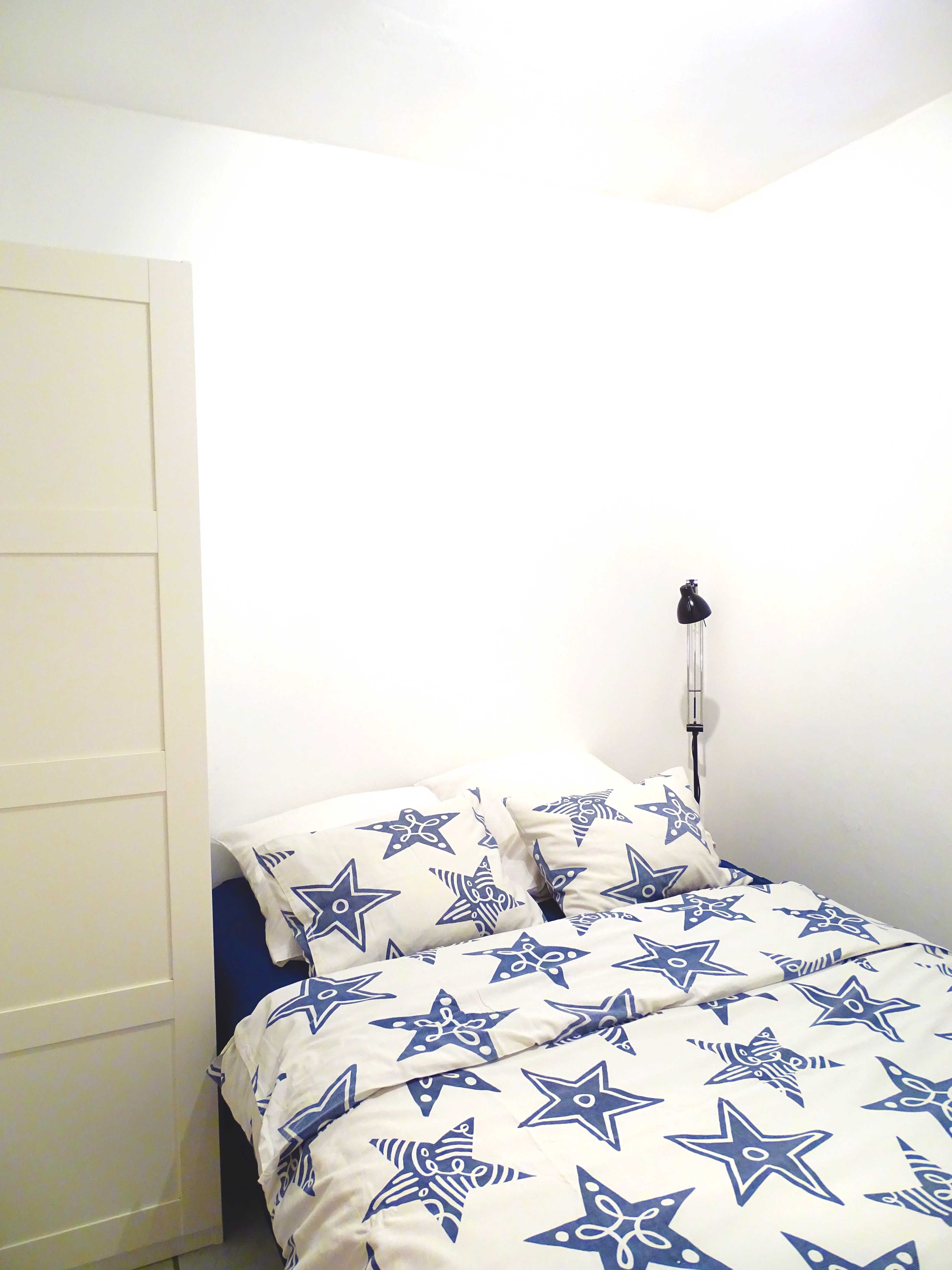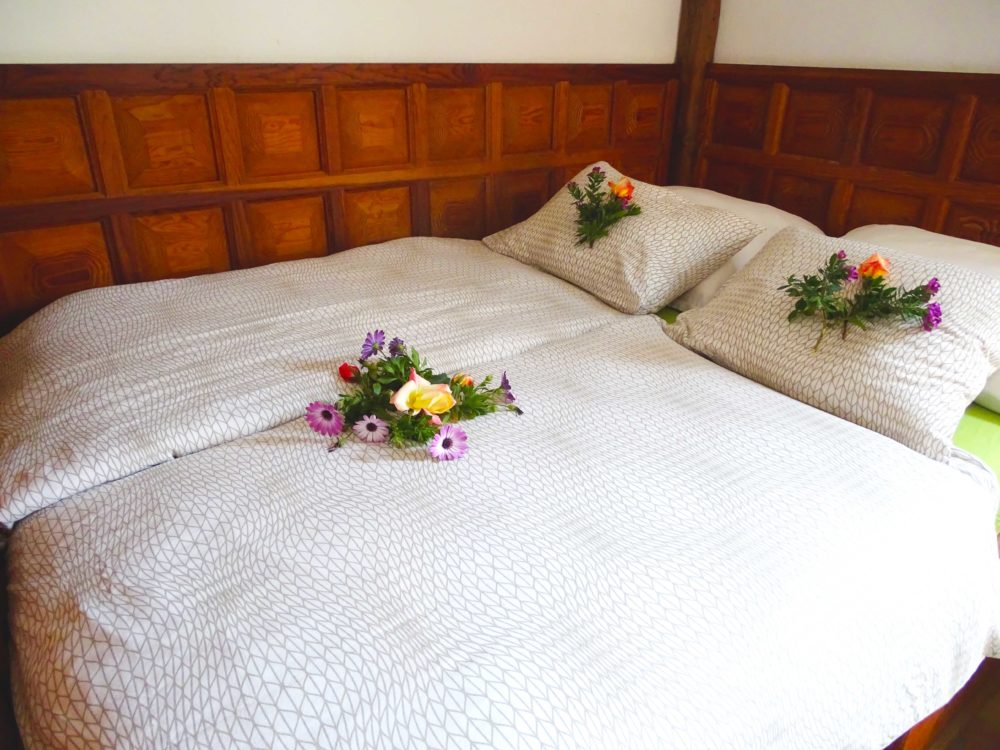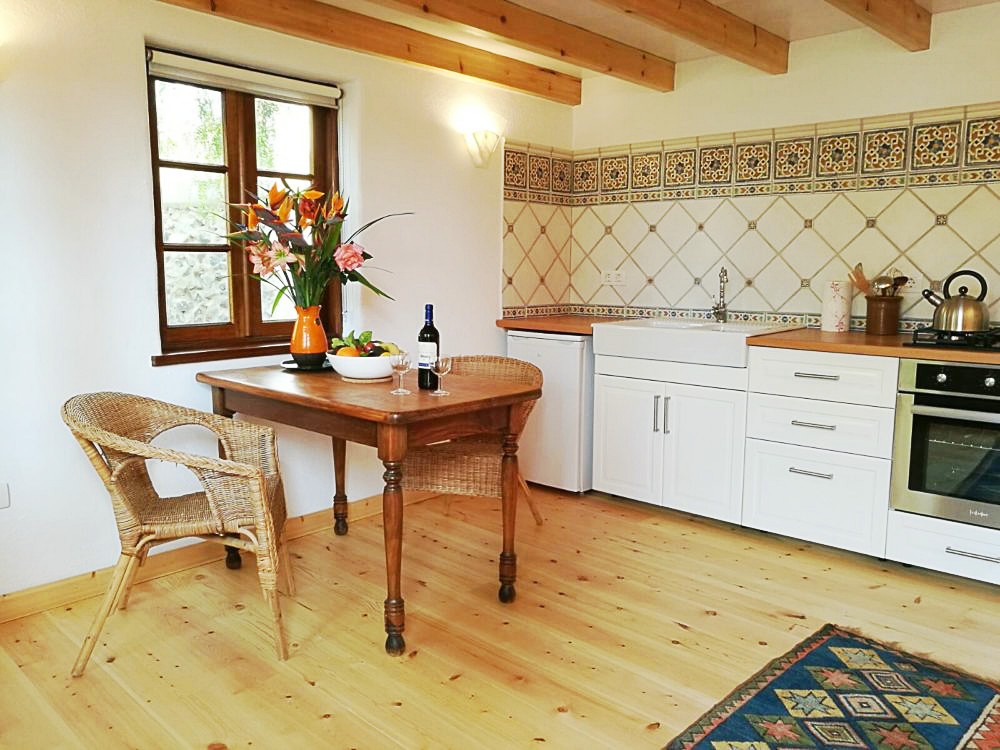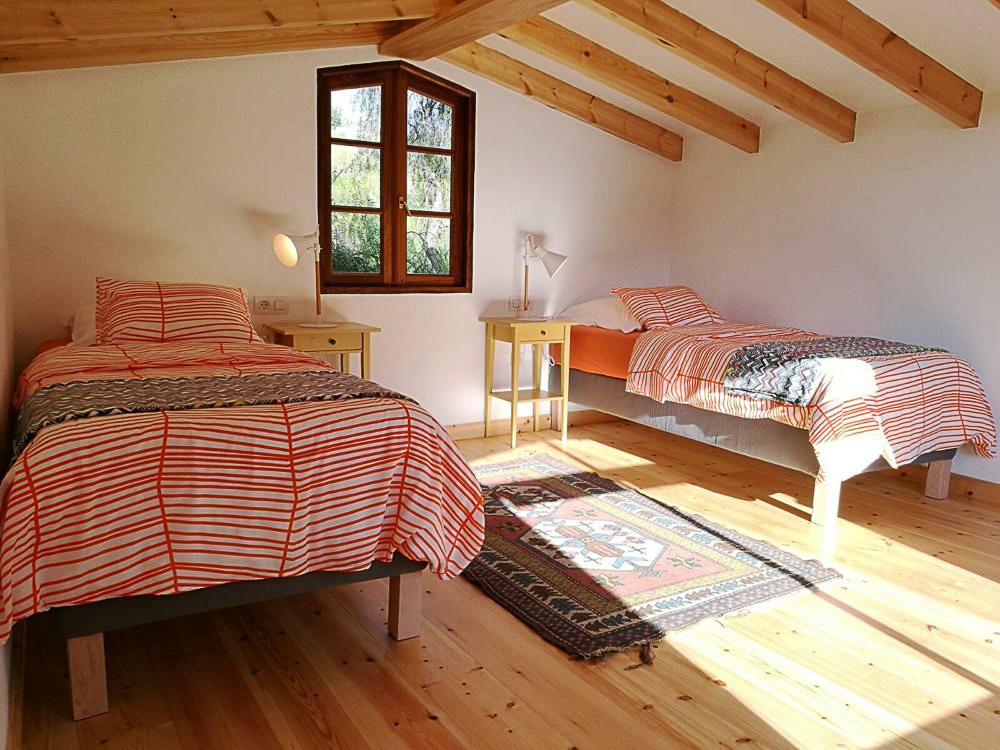
- 2 Schlafzimmer mit Doppelbetten
- 1 Schlafzimmer mit Stockbett
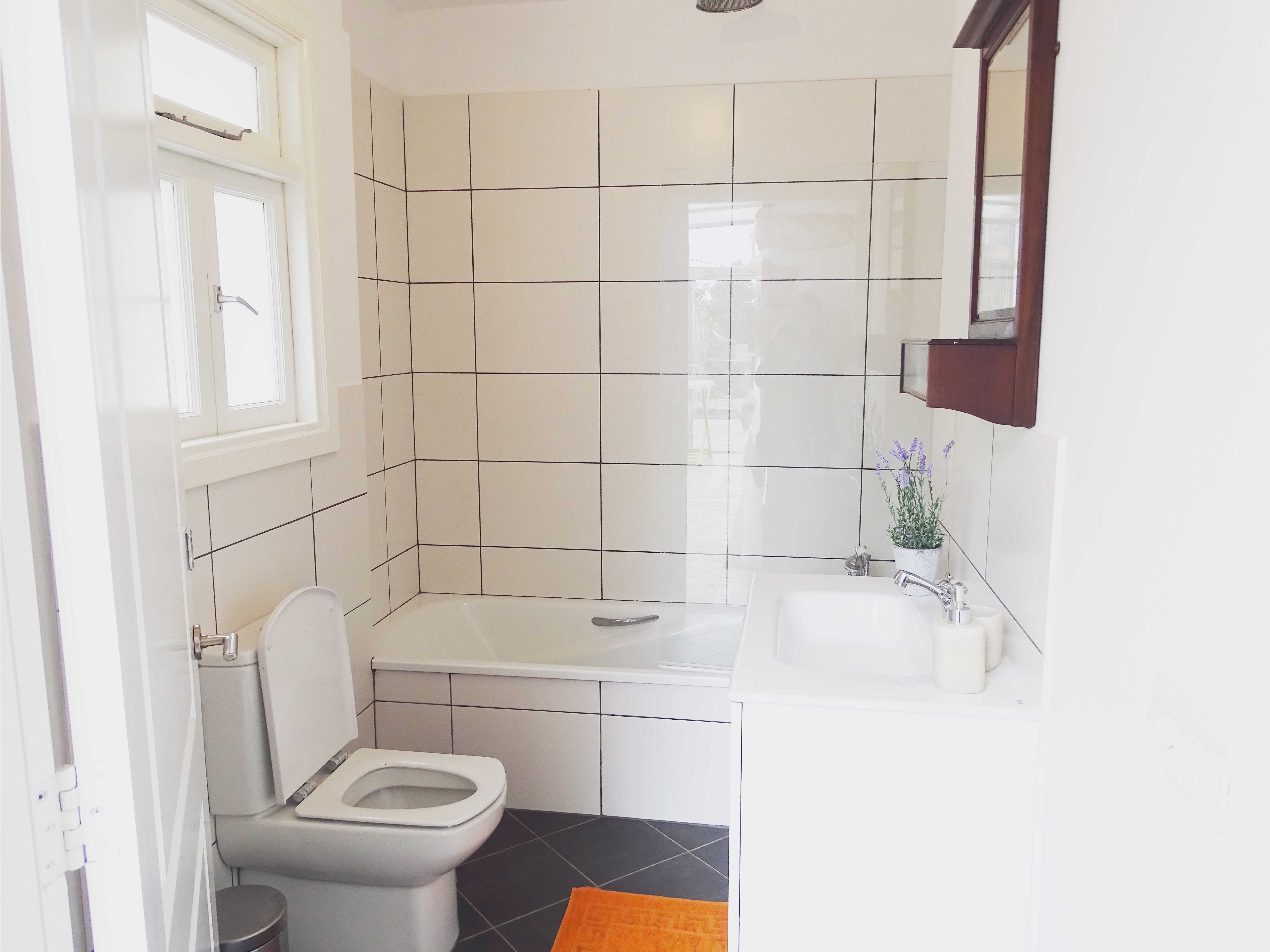
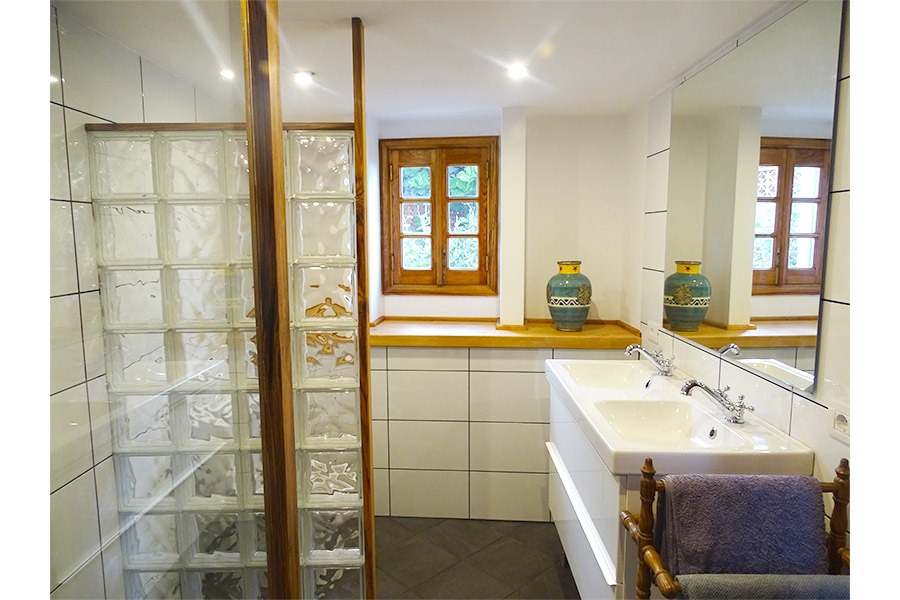
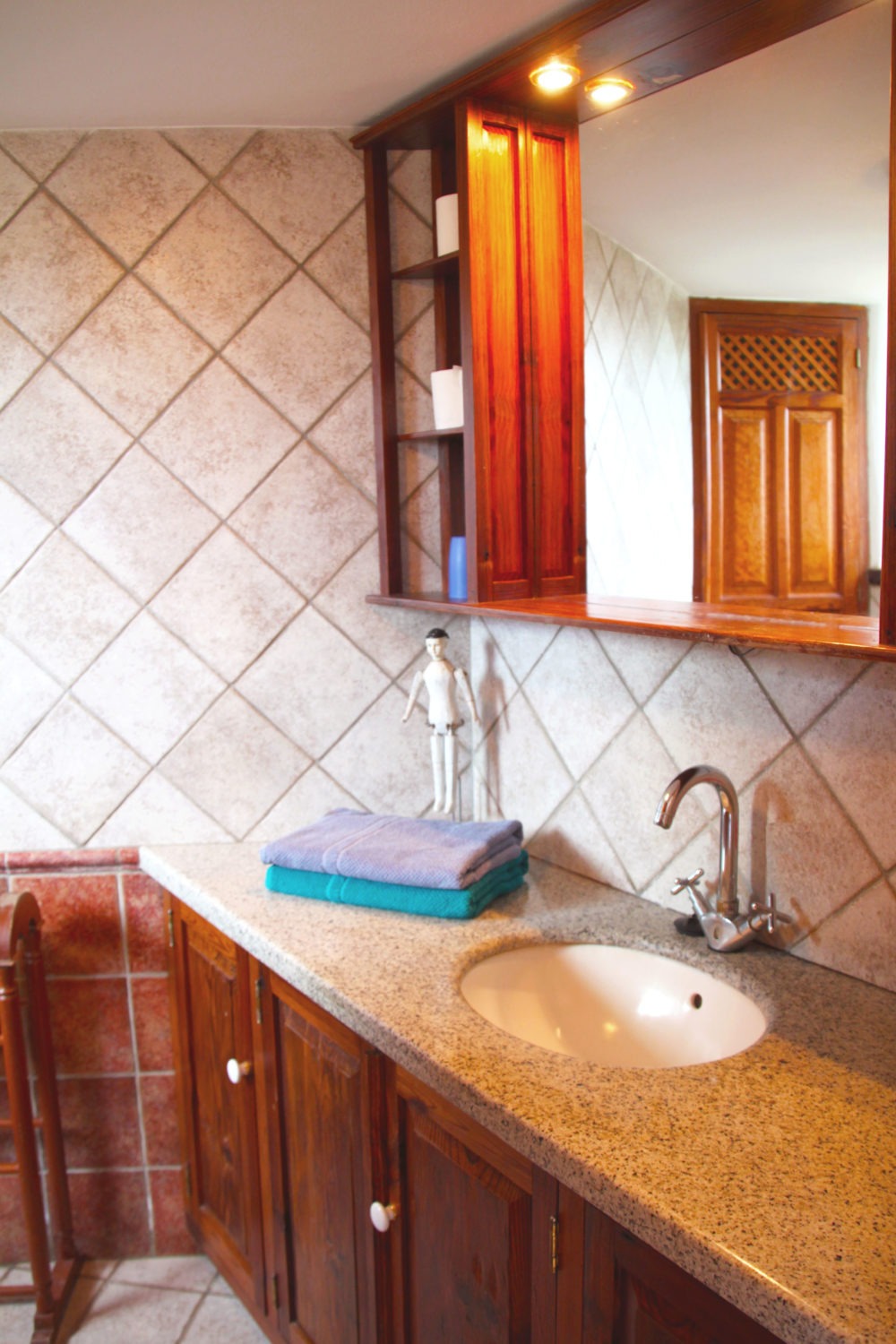
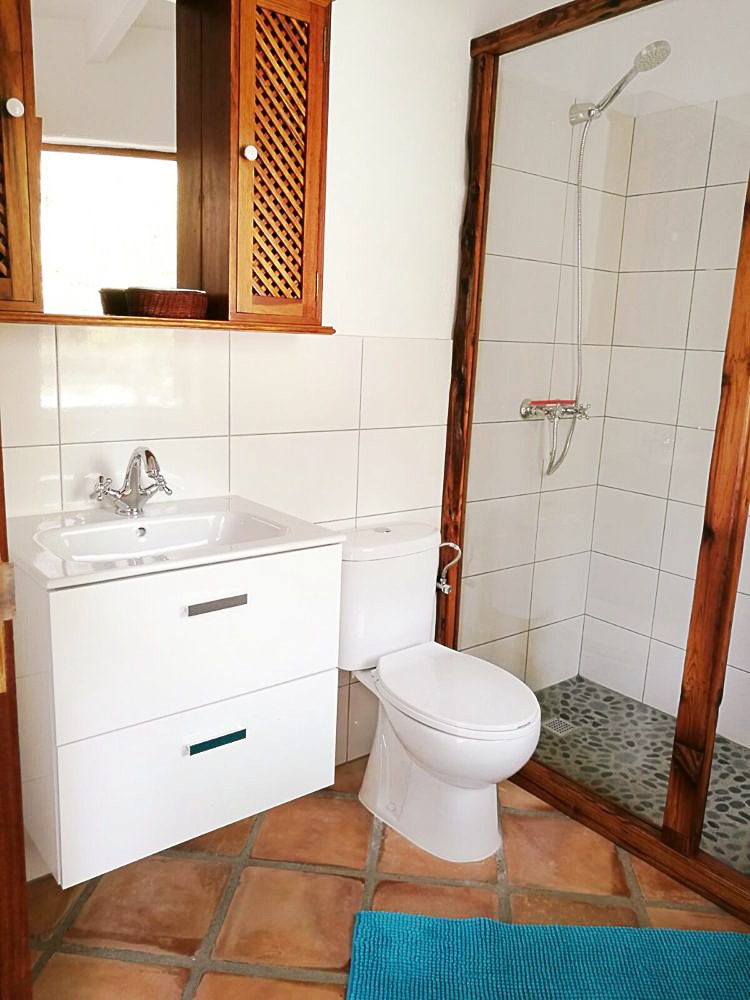
- 1 Badezimmer mit Dusche und Badewanne
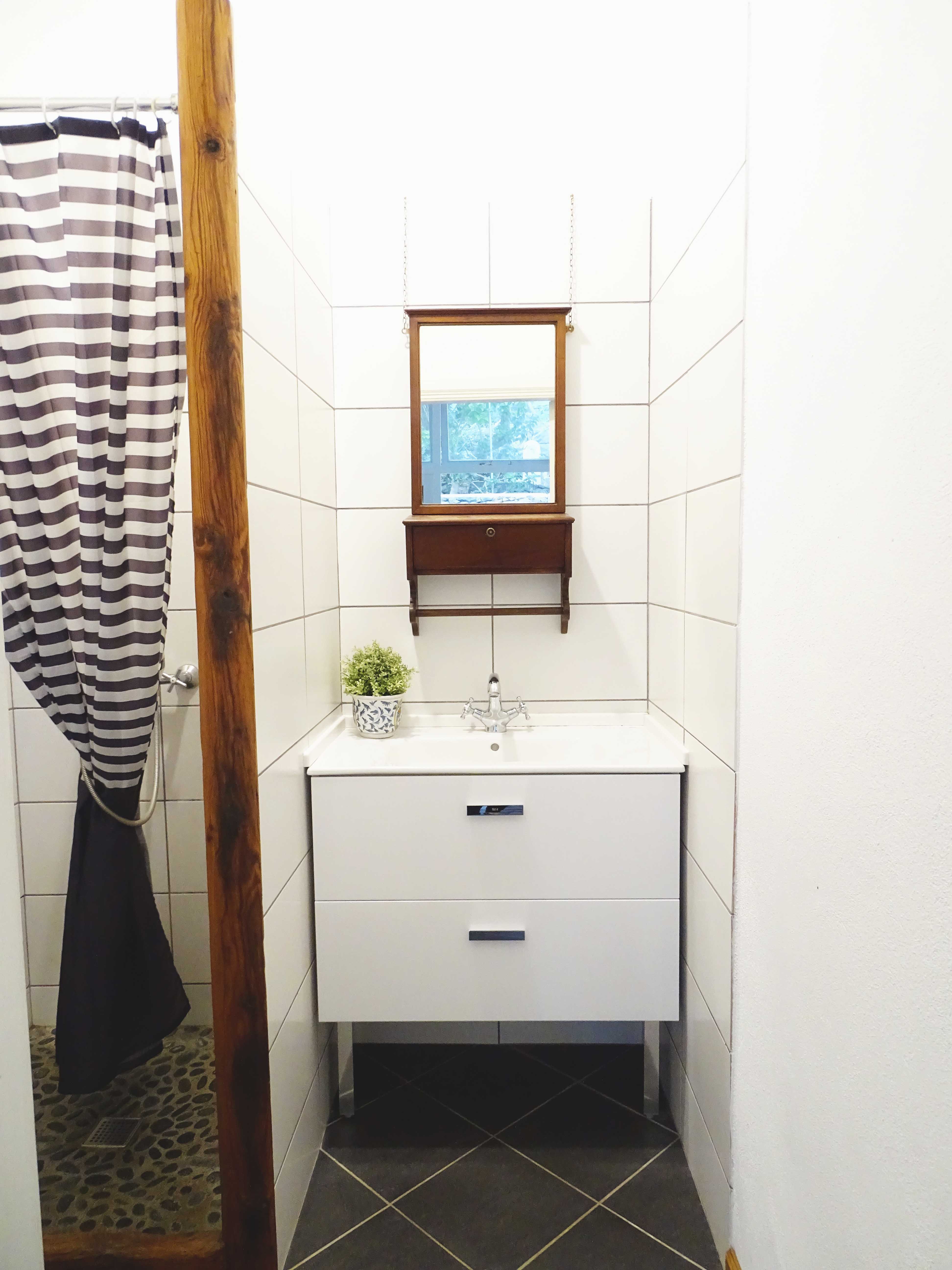
- 1 Badezimmer mit Dusche
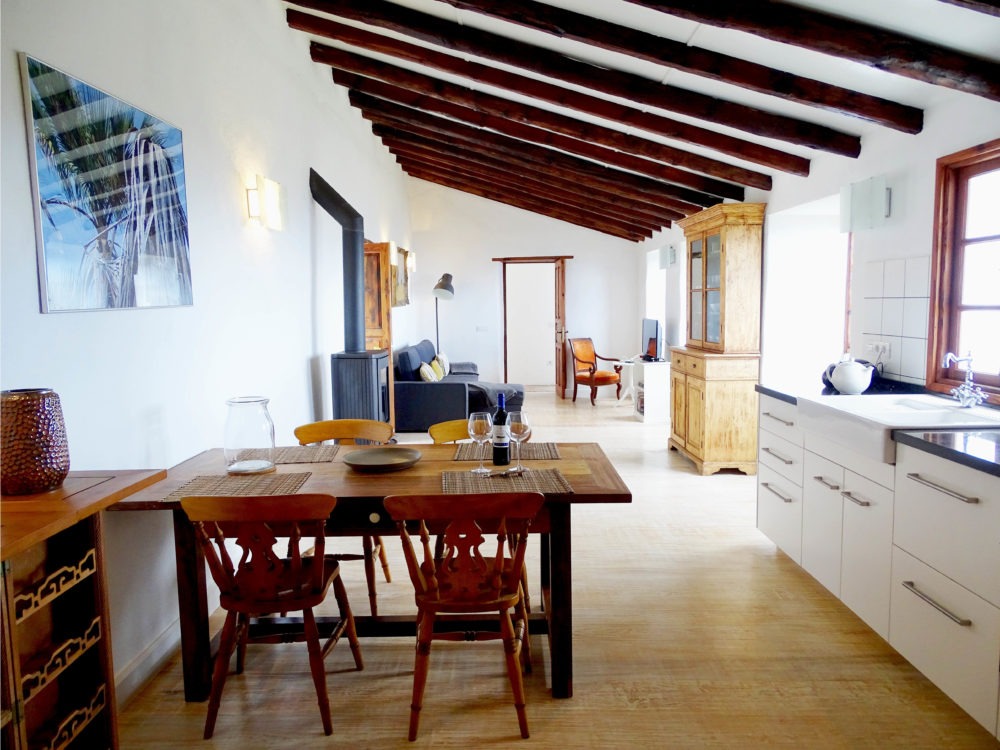
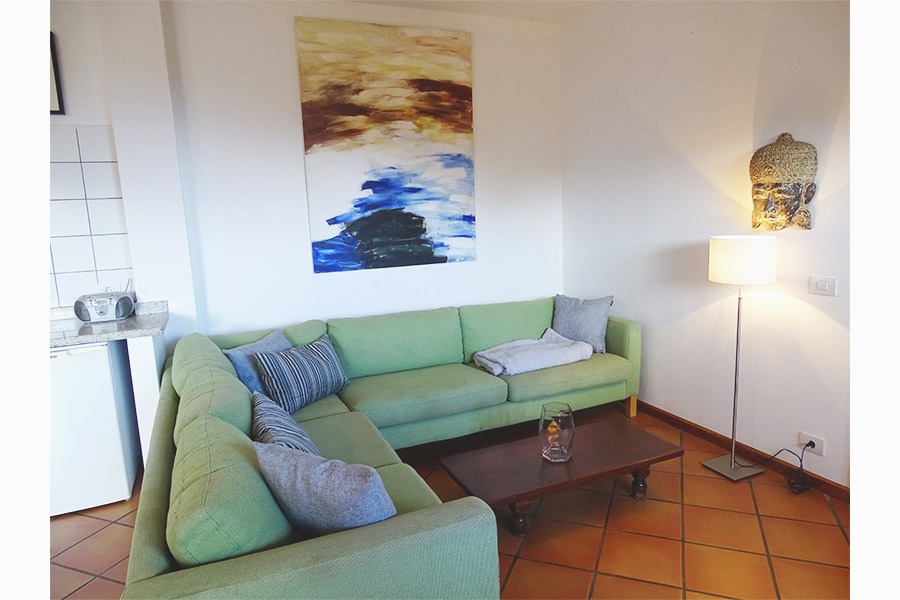
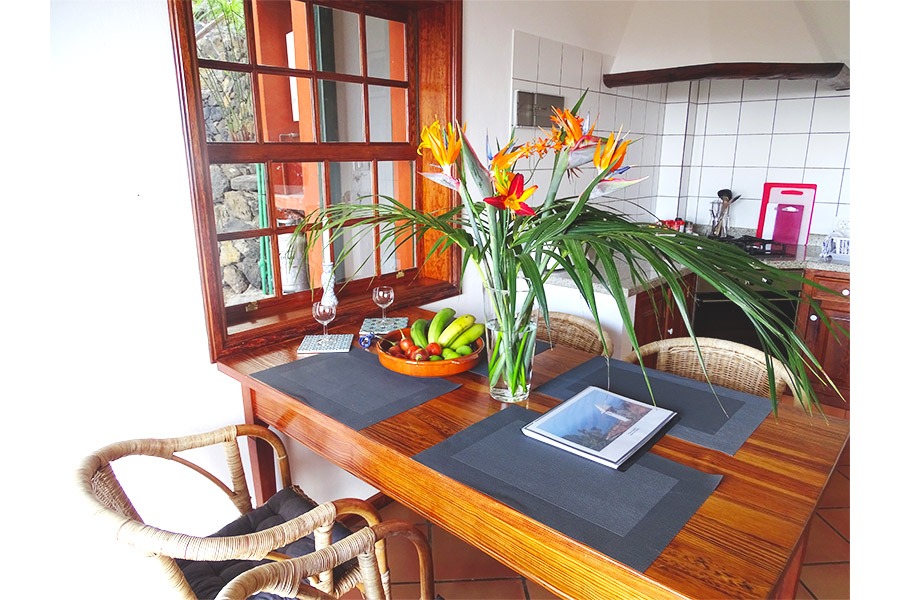
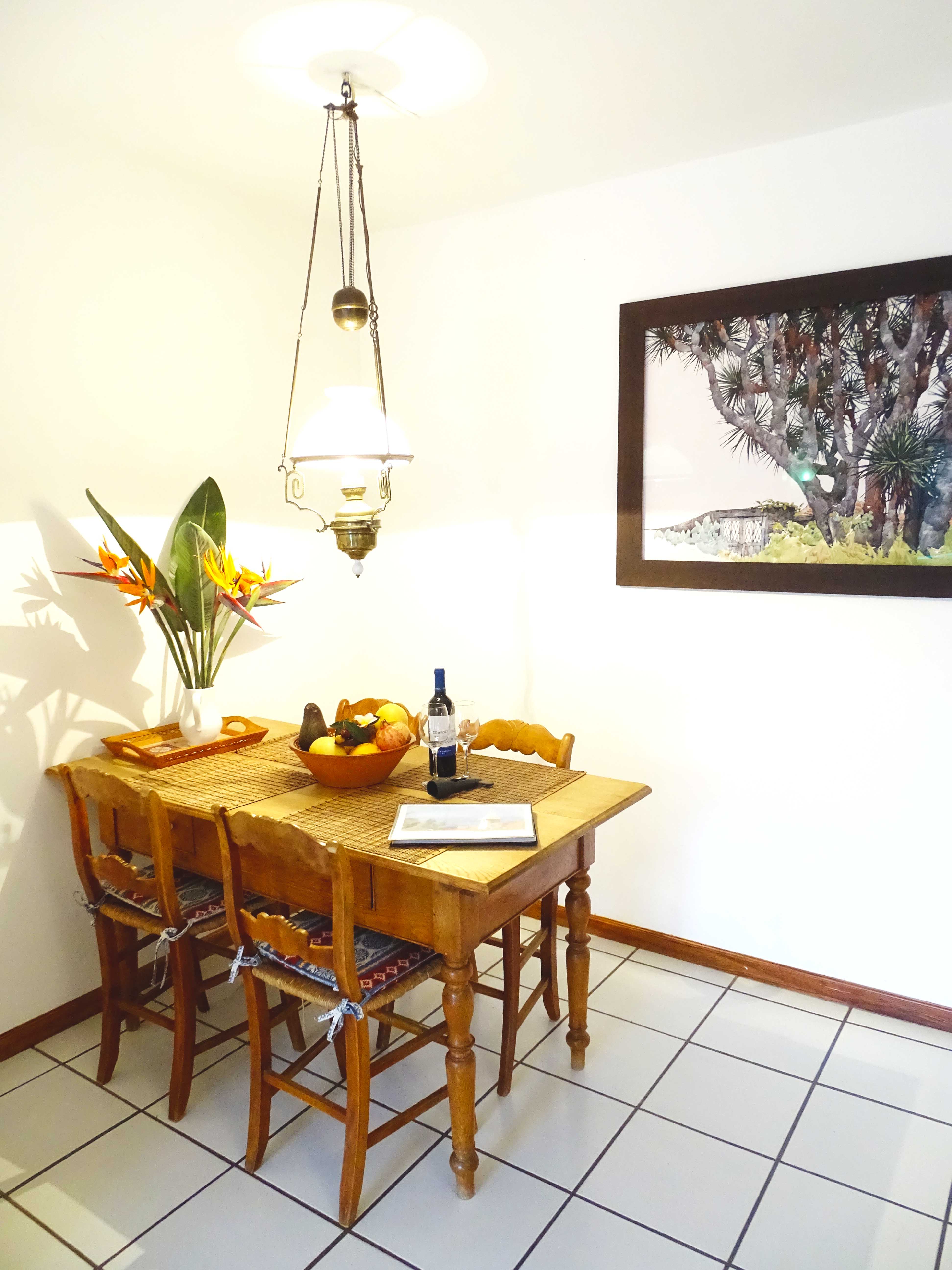
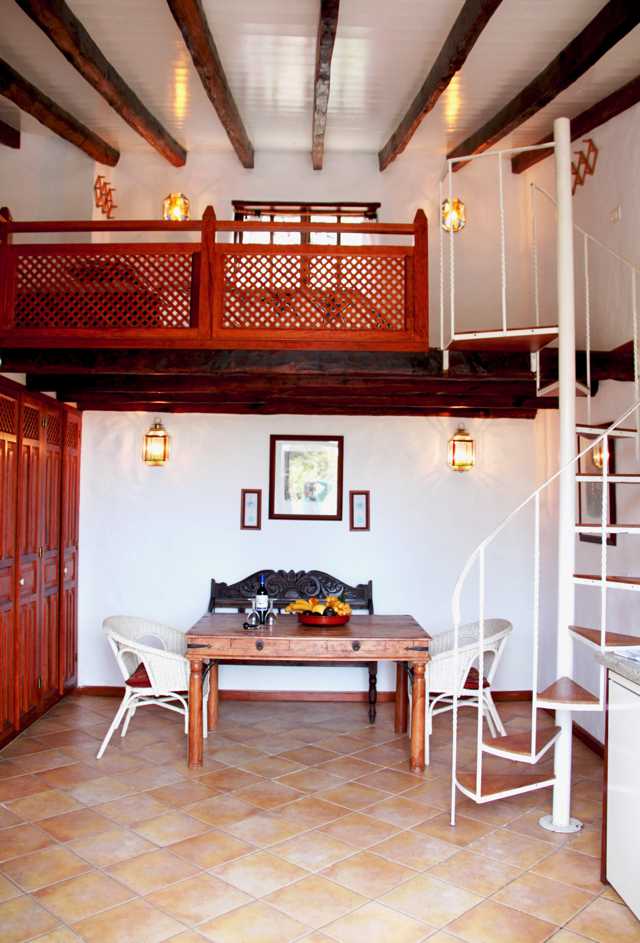
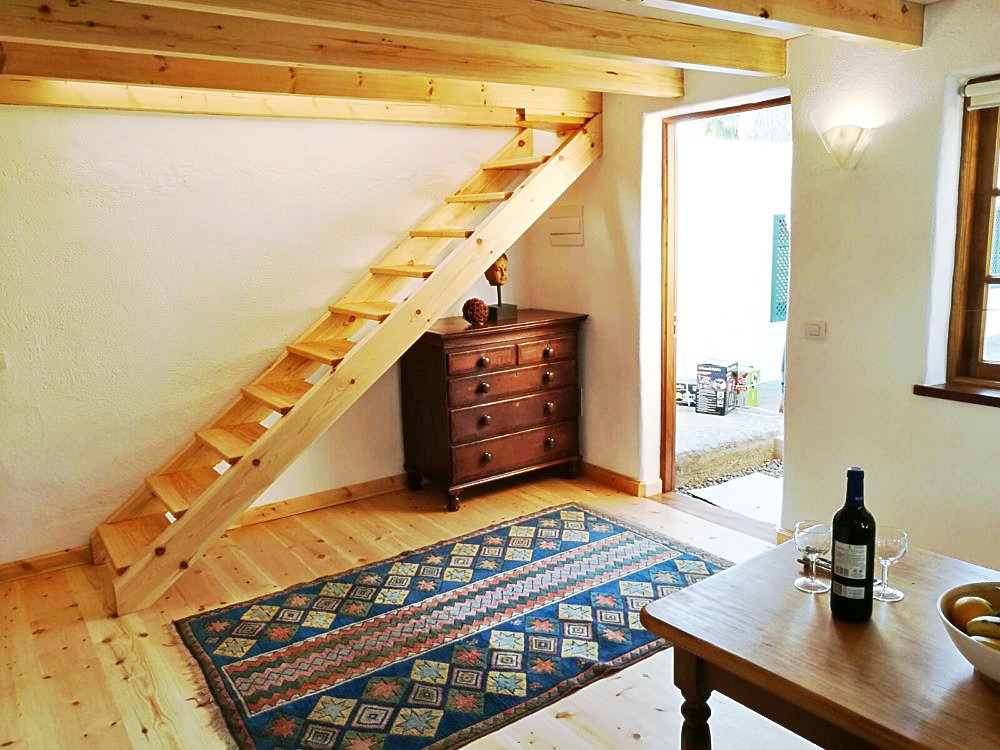
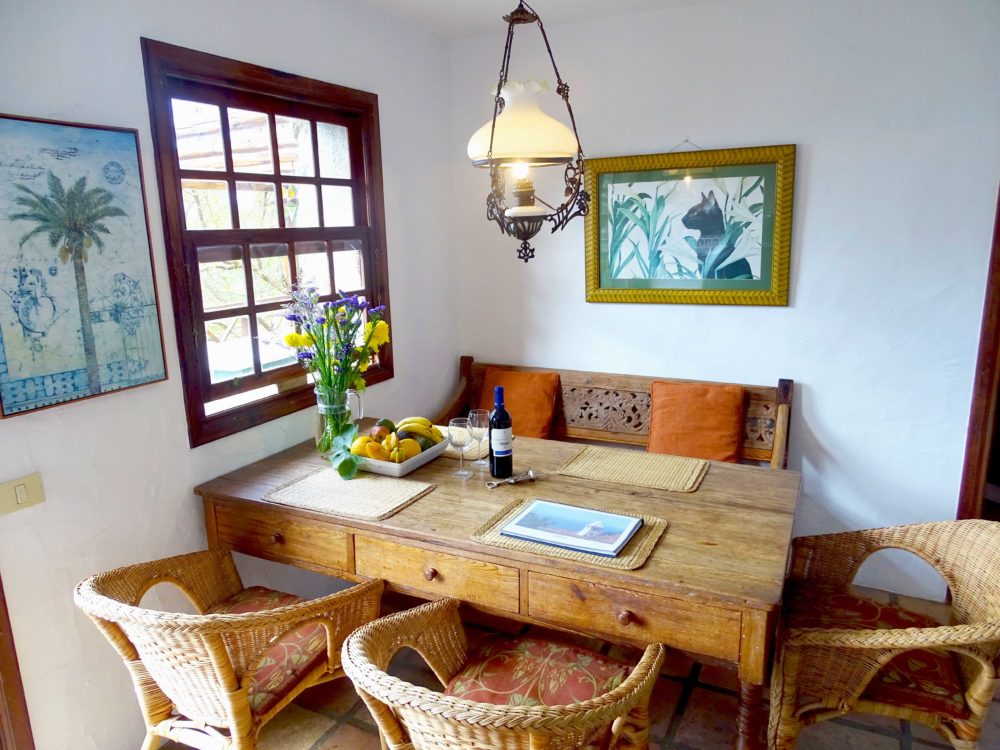
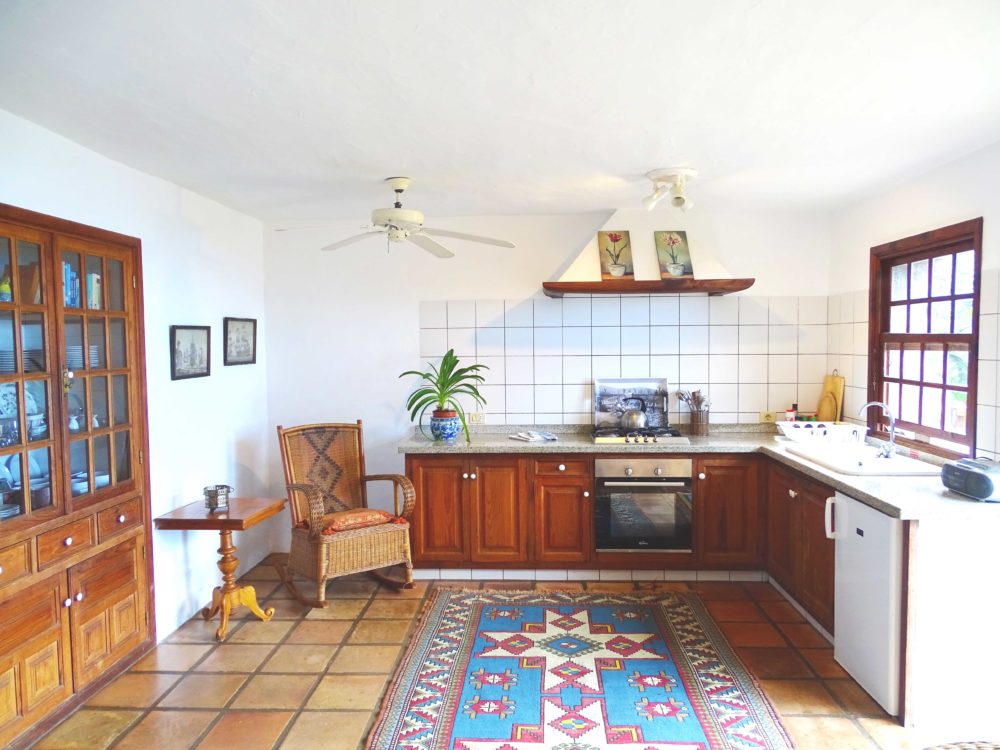
- 1 Wohnküche ausgestattet mit modernen Geräten
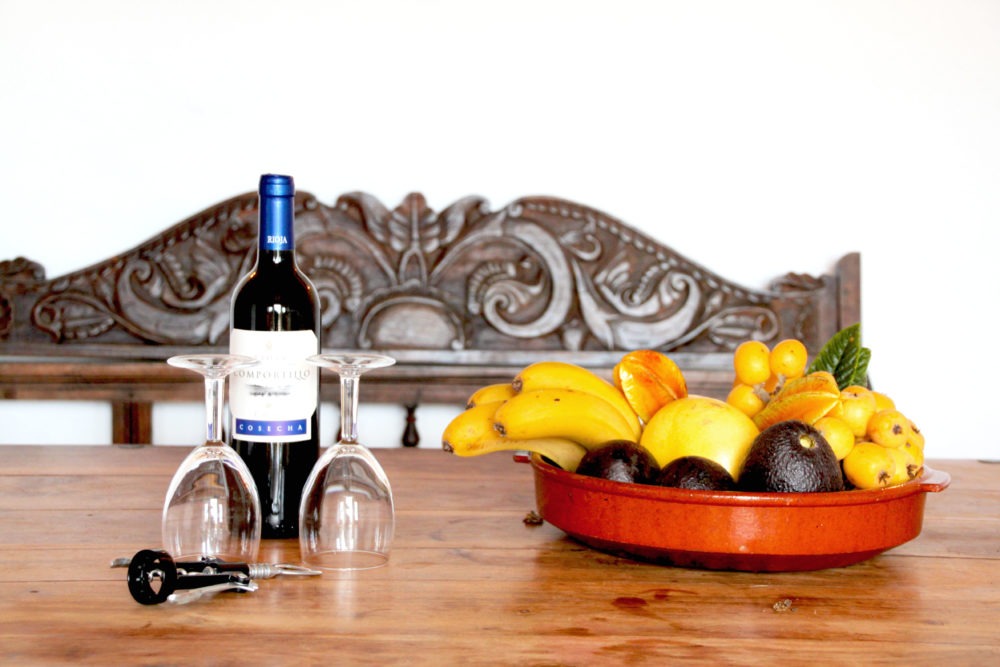
- Entsafter/Mixer für Smoothies mit Produkten frisch vom Feld
- Je nach Wunsch verschiedene Kaffeemaschinen (Frenchpress, Espresso oder Filter)
- Bluetooth – Radio & Satelliten TV
- Haarföhn
- Handtücher und Bettwäsche
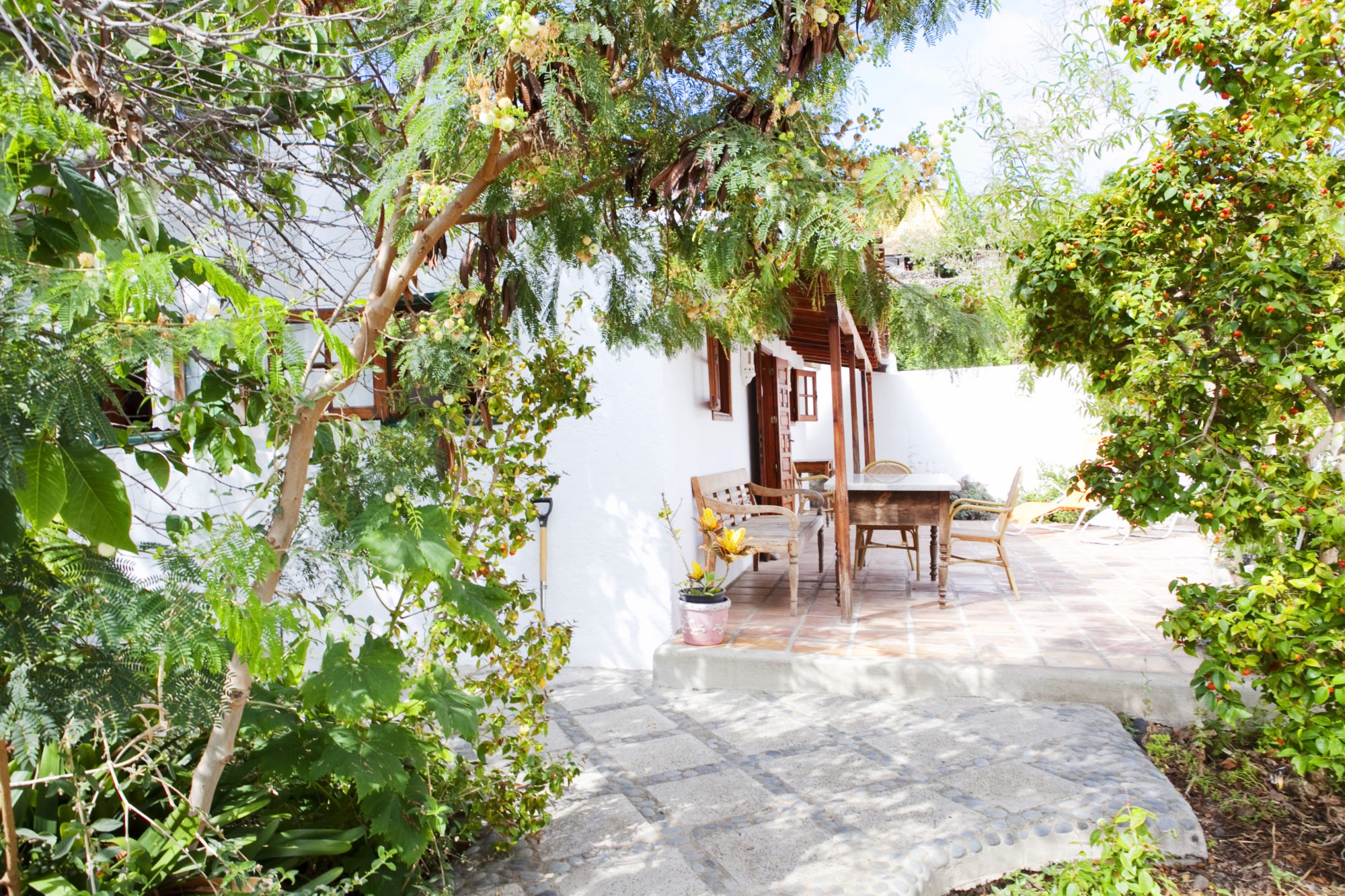
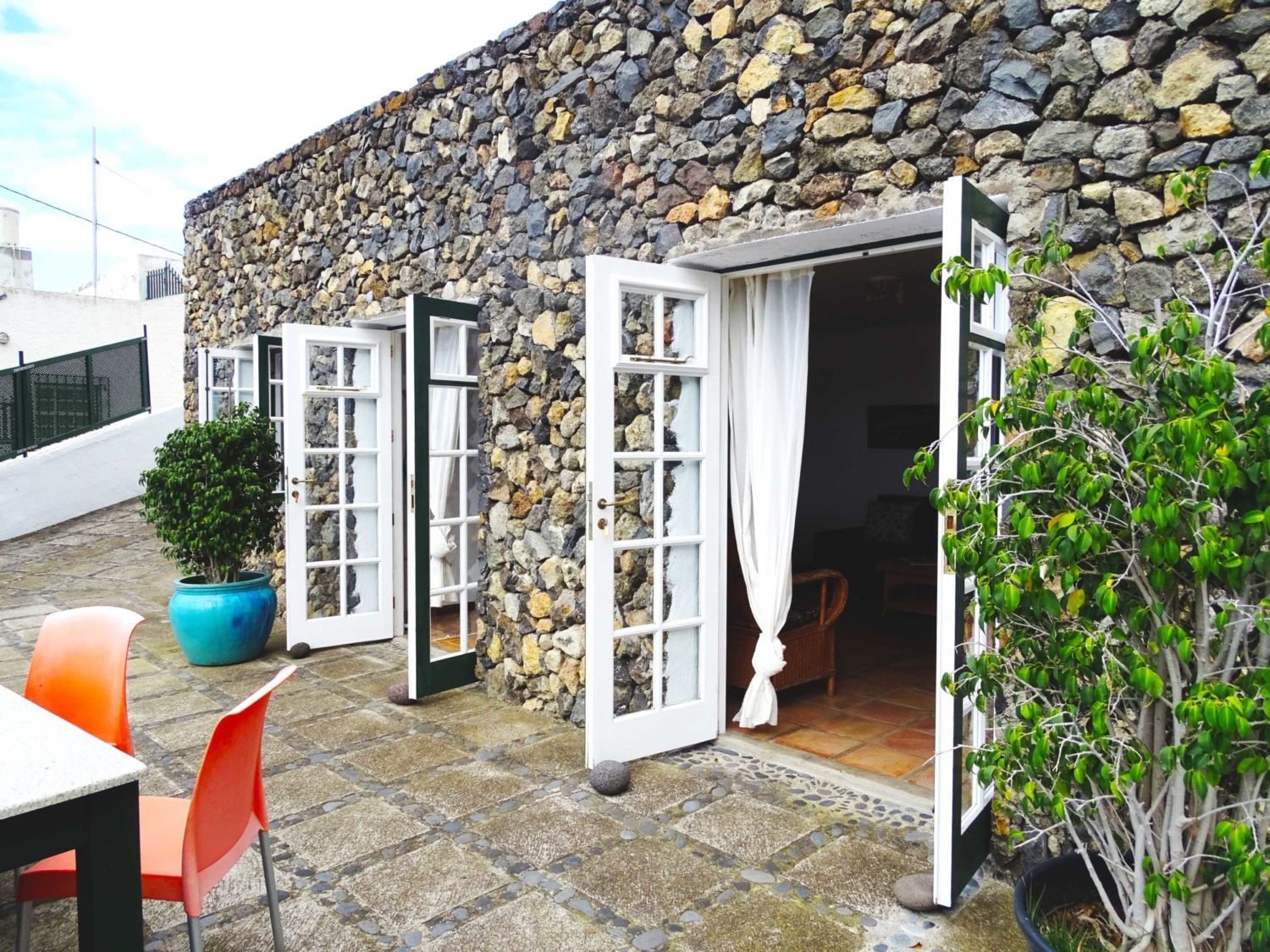
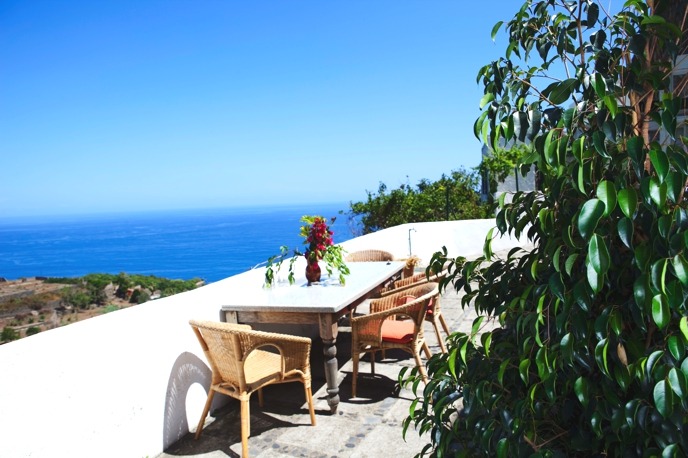
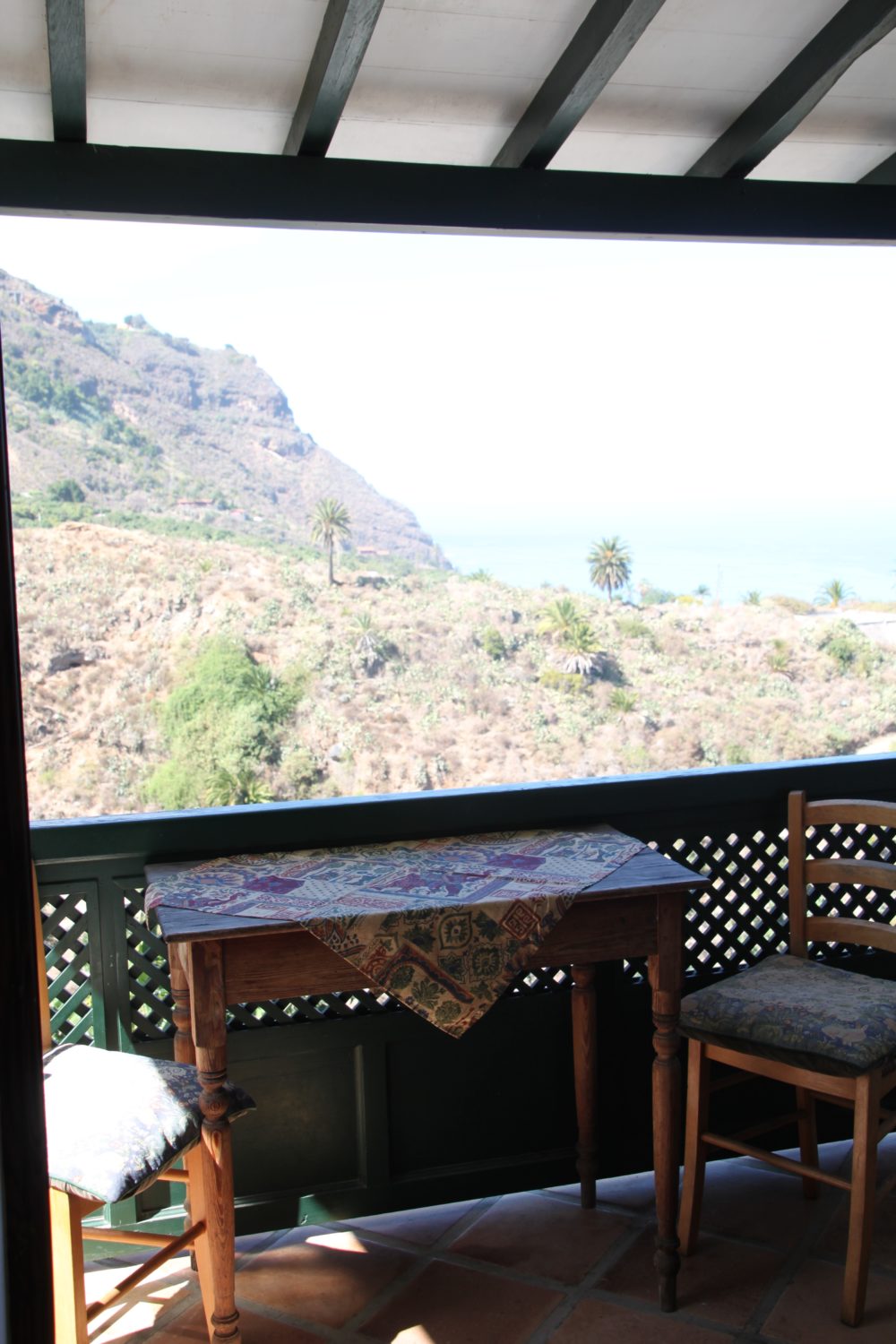
- 3 Terrassen mit Blick auf Berglandschaft und Meer
Casa Piedra
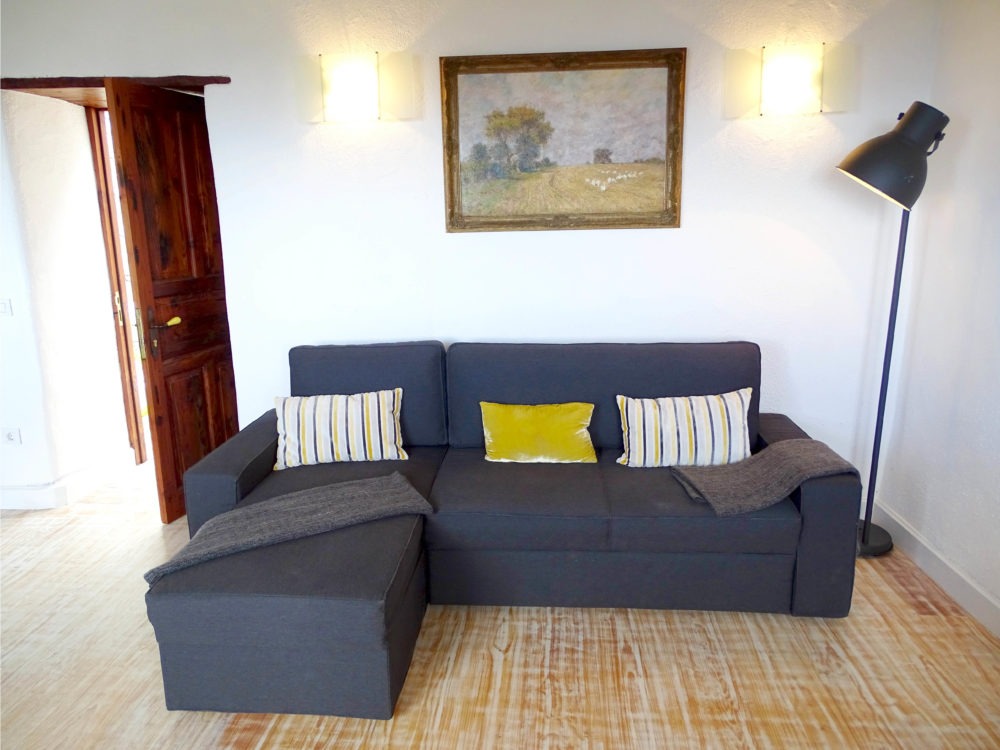
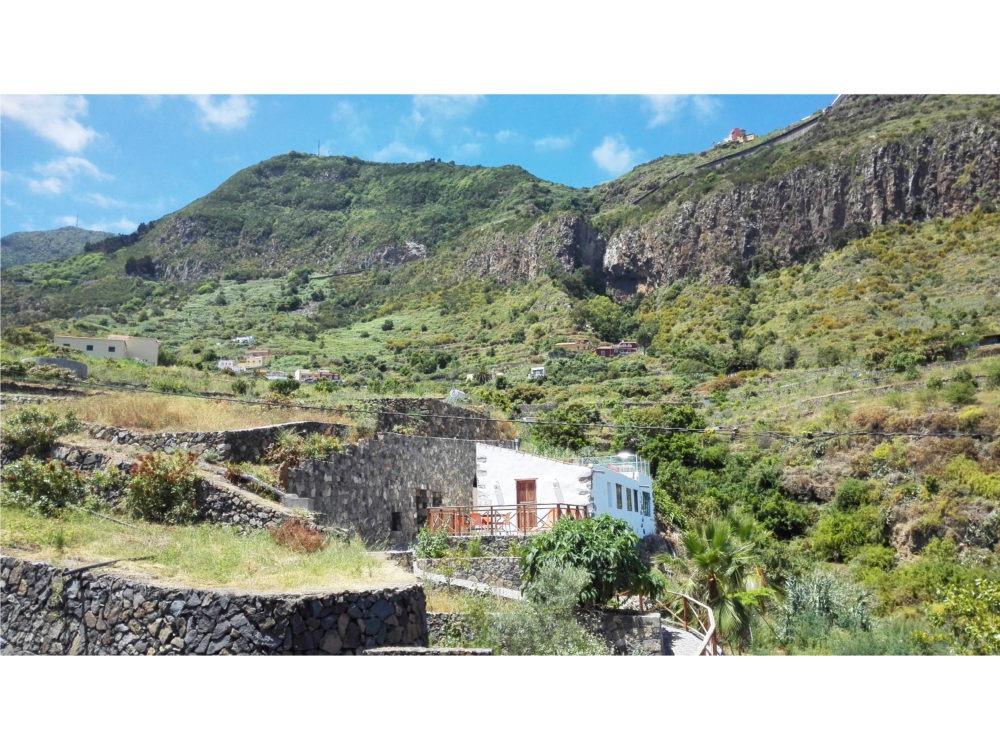
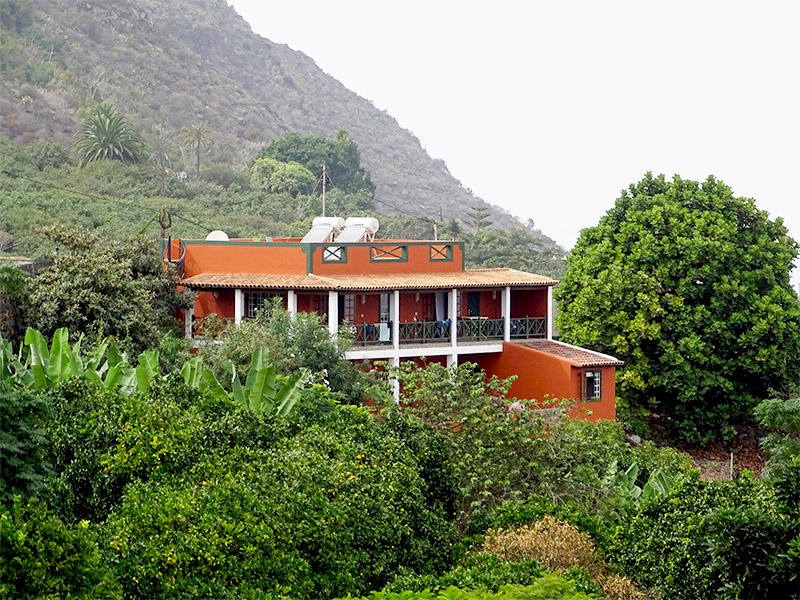
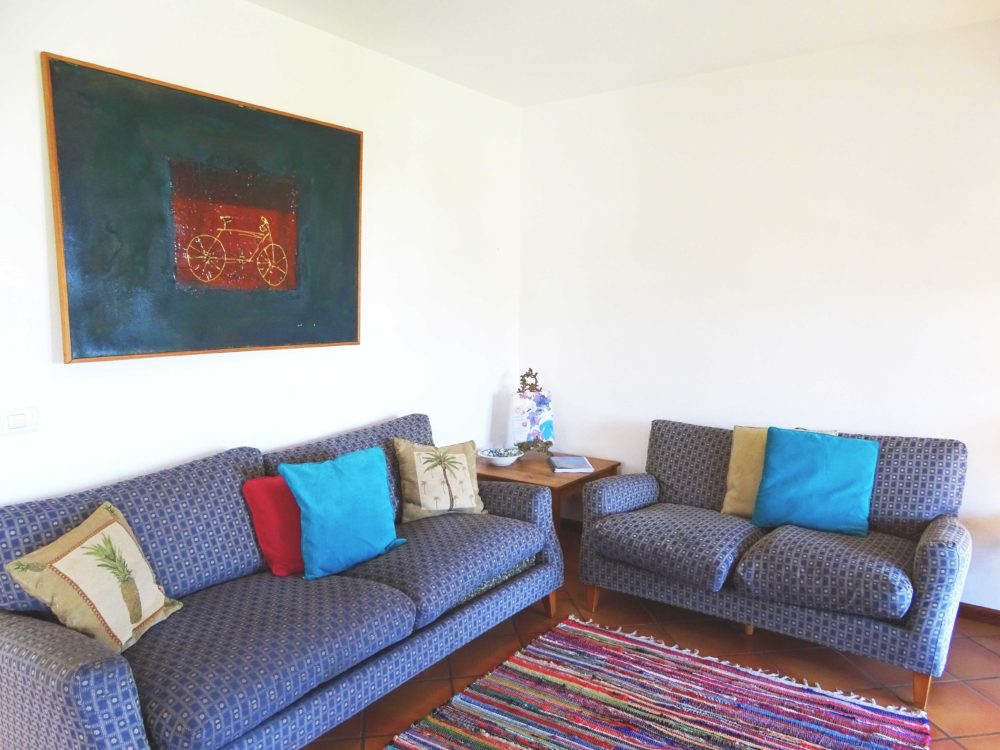
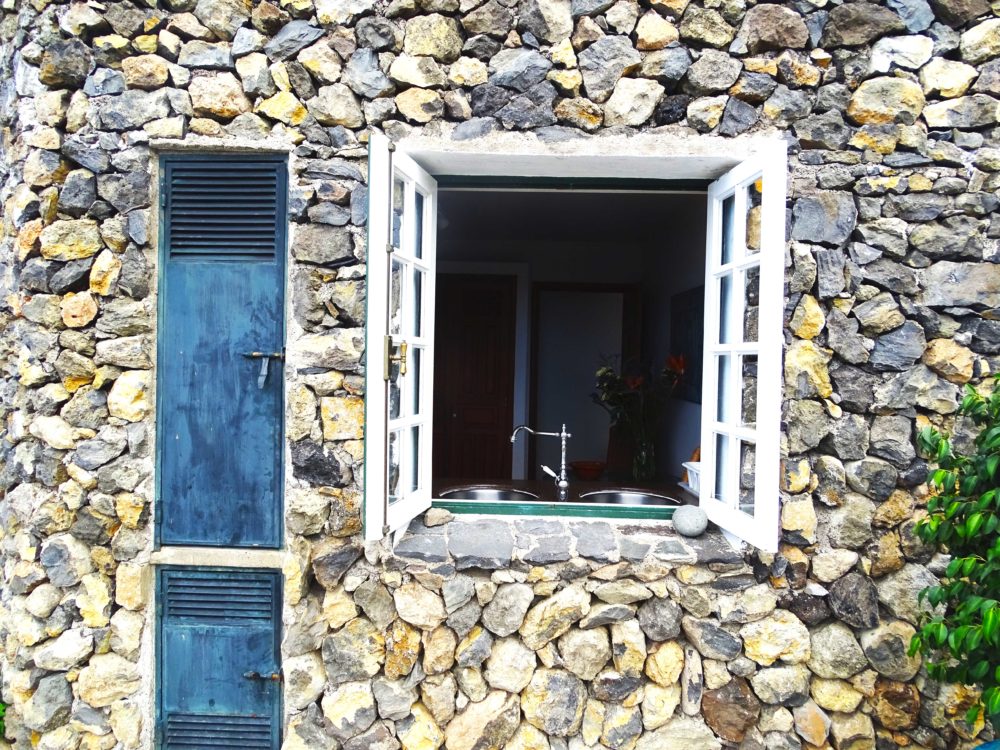
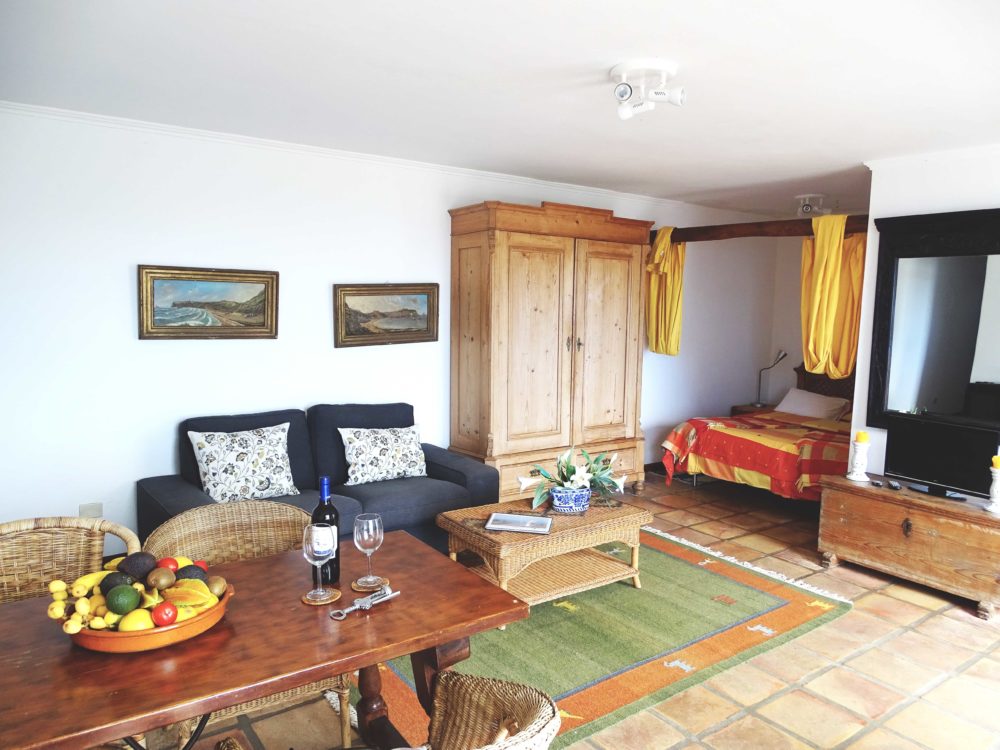
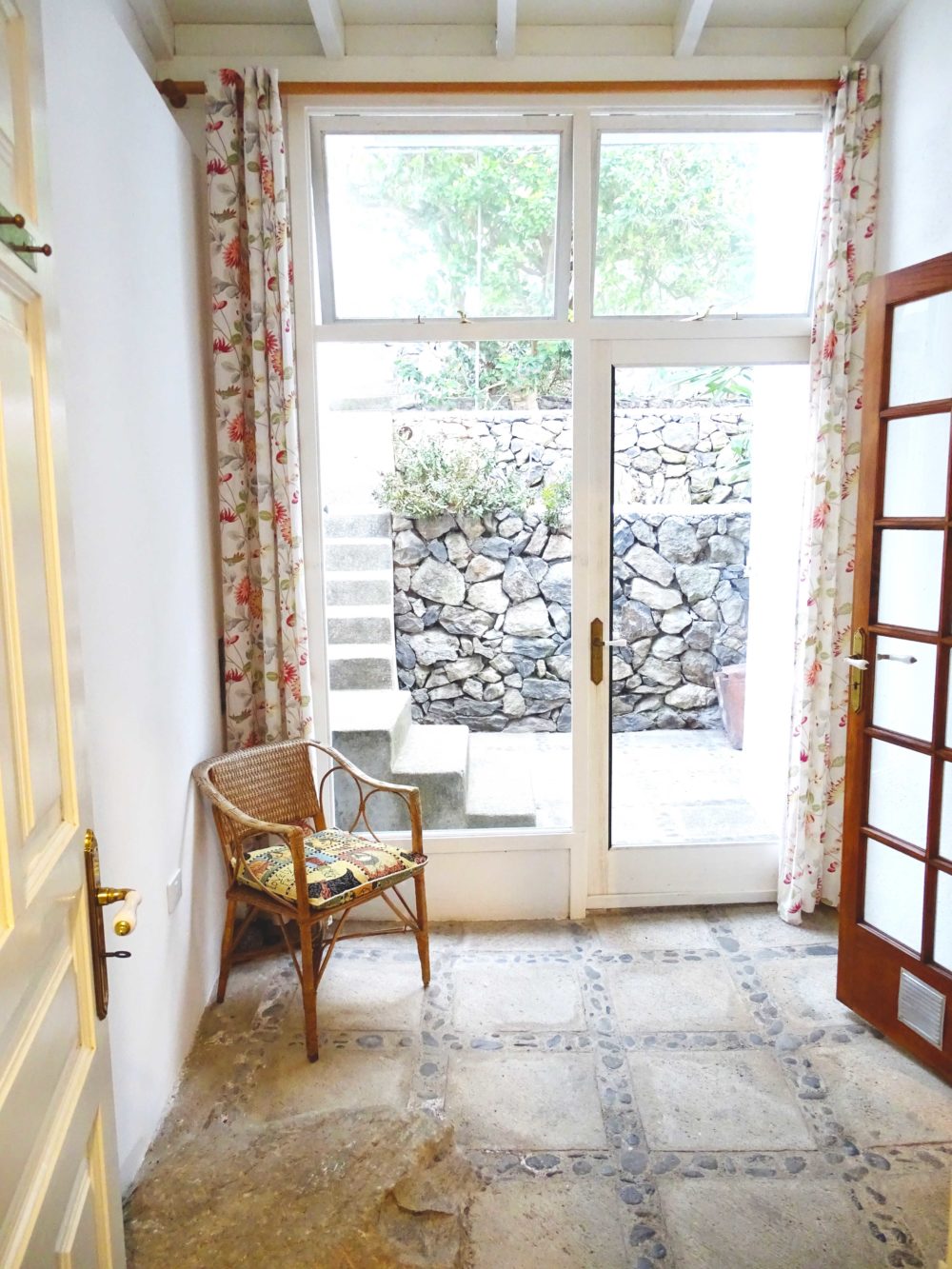
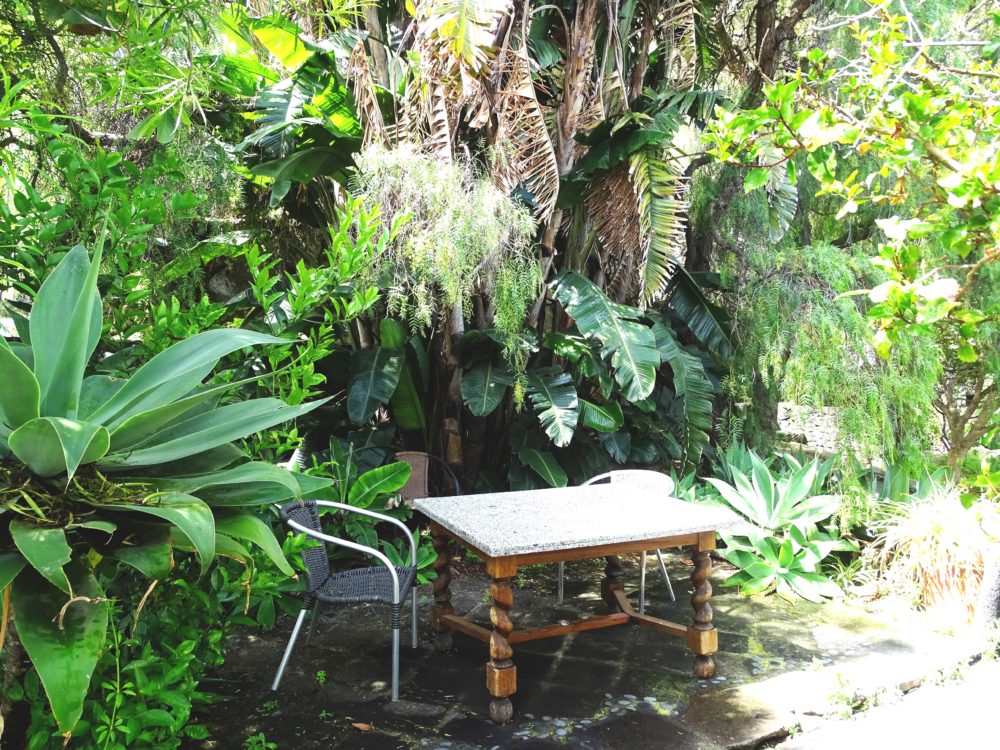
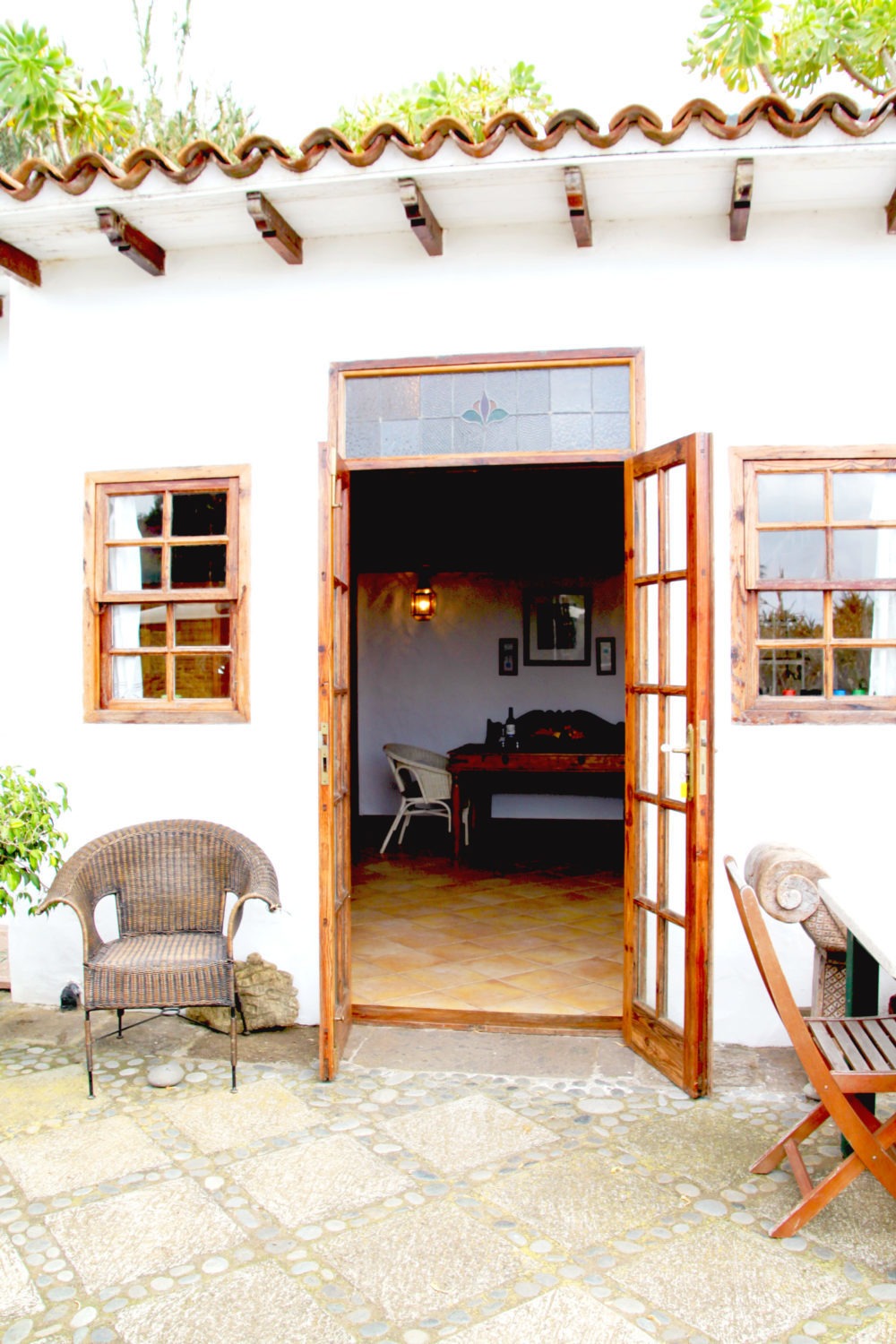
Unter einem Jahrhundert alten Eukalyptusbaum auf einer Anhöhe gelegen, hat das Natursteinhaus einen herrlichen Blick über die Finca bis hin zum Meer. Es wurde aus von Hand geschlagenen Felsensteinen gebaut und fügt sich harmonisch in die Landschaft. Von einer geräumigen Terrasse vor dem Haus habt ihr Zugang zu einem Wohnraum und einer komplett eingerichteten offenen Küche. Auf dieser Ebene befindet sich außerdem ein modernes Bad mit einer Badewanne. In der oberen Etage stehen drei Schlafzimmer zur Verfügung; zwei mit Doppelbetten, eins mit Etagenbett und ein weiteres Bad mit Dusche. Von den Schlafzimmern aus führt jeweils eine Tür auf den ca. 24qm großen Balkon, von dem aus Sie einen wunderschönen Panoramablick über das ganze Tal und über das Meer haben – der perfekte Start in den Tag .