

Lavandula Angustifolia

Lavendel

Englische Bezeichnung: Lavender
Spanische Bezeichnung: Lavanda

Familie  

Lippenblütler
Lavendel gehört zur Familie der Lippenblütler und stammt ursprünglich aus dem Mittelmeerraum. Heute ist er weltweit bekannt – nicht nur als Zierpflanze, sondern auch als Heil- und Gewürzkraut.
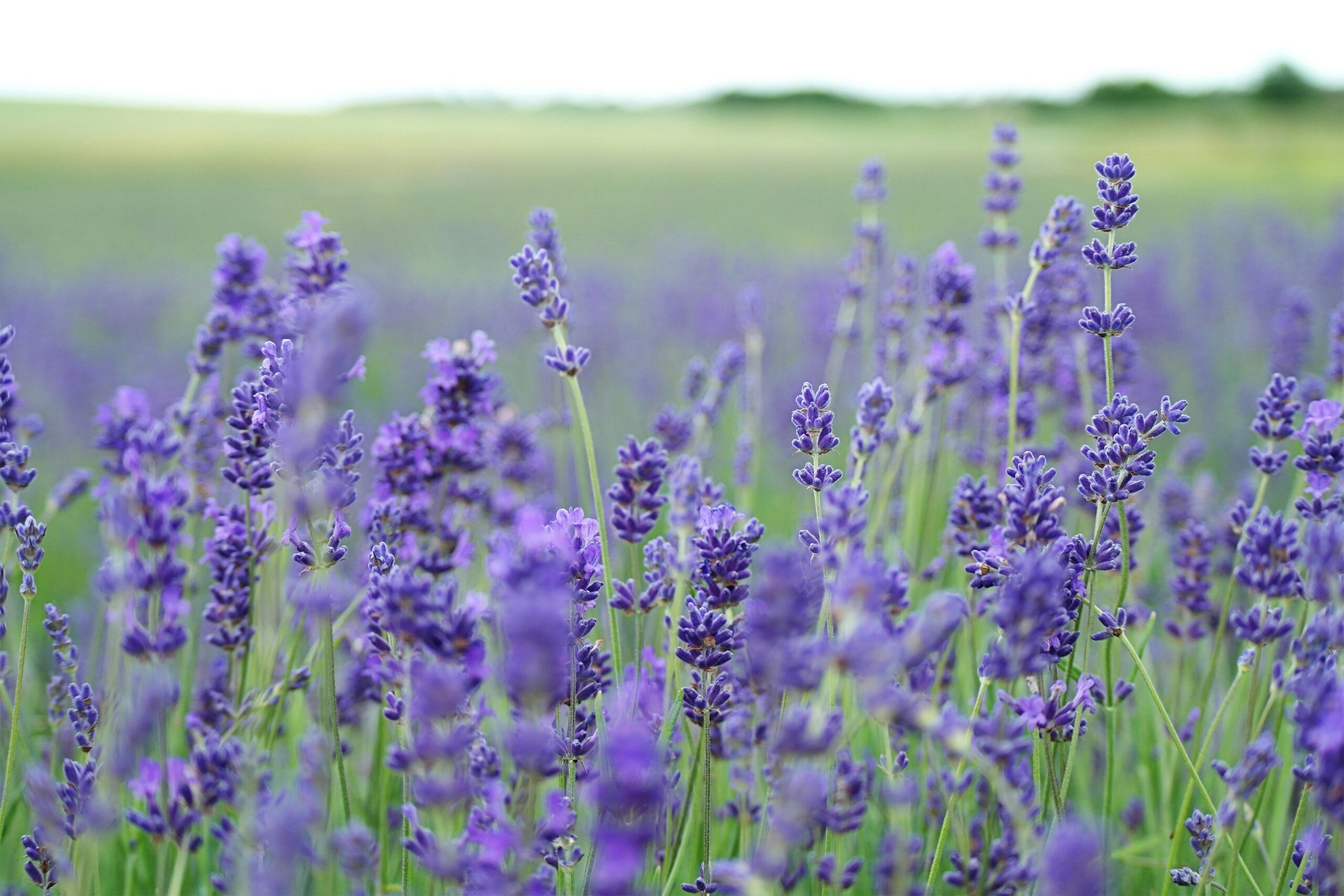
Typisch sind die schmalen, silbrig-grünen Blätter und die violettblauen Blütenähren, die von Juni bis August erscheinen. Sein unverwechselbarer Duft machte Lavendel schon in der Antike beliebt: Die Römer nutzten ihn zum Baden und Parfümieren, was sich im Namen „lavare“ (= waschen) widerspiegelt.
Lavendel zieht zahlreiche Insekten an, insbesondere Bienen und Schmetterlinge, und ist damit auch ökologisch wertvoll. Die ätherischen Öle in den Blüten wirken beruhigend und entspannend – bis heute werden sie in Tees, Duftkissen und der Aromatherapie eingesetzt.
Der Halbstrauch liebt sonnige, trockene Standorte und ist sehr pflegeleicht. In Gärten sorgt er nicht nur für mediterranes Flair, sondern vertreibt durch seinen Duft auch lästige Insekten wie Mücken.
Lavendel vereint Schönheit, Duft und Heilkraft – eine traditionsreiche Pflanze, die Menschen und Insekten gleichermaßen erfreut.

Family

Lamiaceae family
Lavender belongs to the Lamiaceae family and originates from the Mediterranean region. Today, it is known worldwide – not only as an ornamental plant, but also as a medicinal and culinary herb.
It is characterised by its narrow, silvery-green leaves and violet-blue flower spikes, which appear from June to August. Lavender’s distinctive scent made it popular even in ancient times: the Romans used it for bathing and perfuming, which is reflected in the name ‘lavare’ (= to wash).
Lavender attracts numerous insects, especially bees and butterflies, and is therefore also ecologically valuable. The essential oils in the flowers have a calming and relaxing effect – to this day, they are used in teas, scented pillows and aromatherapy.
The semi-shrub loves sunny, dry locations and is very easy to care for. In gardens, it not only adds a Mediterranean flair, but its scent also repels annoying insects such as mosquitoes.
Lavender combines beauty, fragrance and healing powers – a traditional plant that delights humans and insects alike.

Familia

Lamiáceas
La lavanda pertenece a la familia de las lamiáceas y es originaria de la cuenca mediterránea. Hoy en día es conocida en todo el mundo, no solo como planta ornamental, sino también como planta medicinal y aromática.
Son típicas sus hojas estrechas de color verde plateado y sus espigas de flores azul violáceas, que aparecen entre junio y agosto. Su inconfundible aroma ya la hacía popular en la Antigüedad: los romanos la utilizaban para bañarse y perfumarse, lo que se refleja en el nombre «lavare» (= lavar).
La lavanda atrae a numerosos insectos, especialmente abejas y mariposas, por lo que también es valiosa desde el punto de vista ecológico. Los aceites esenciales de las flores tienen un efecto calmante y relajante, y aún hoy se utilizan en infusiones, saquitos perfumados y aromaterapia.
Este semiarbusto prefiere los lugares soleados y secos y es muy fácil de cuidar. En los jardines no solo aporta un toque mediterráneo, sino que su aroma también ahuyenta a los molestos insectos, como los mosquitos.
La lavanda combina belleza, aroma y propiedades curativas: una planta tradicional que hace las delicias tanto de las personas como de los insectos