
Alocasia Macrorrhiza

KELEFANTENOHR

Englische Bezeichnung: Giant taro, Giant alocasia
Spanische Bezeichnung: Alocasia, Oreja de Elefante

Familie  

Aronstabgewächse (Araceae)

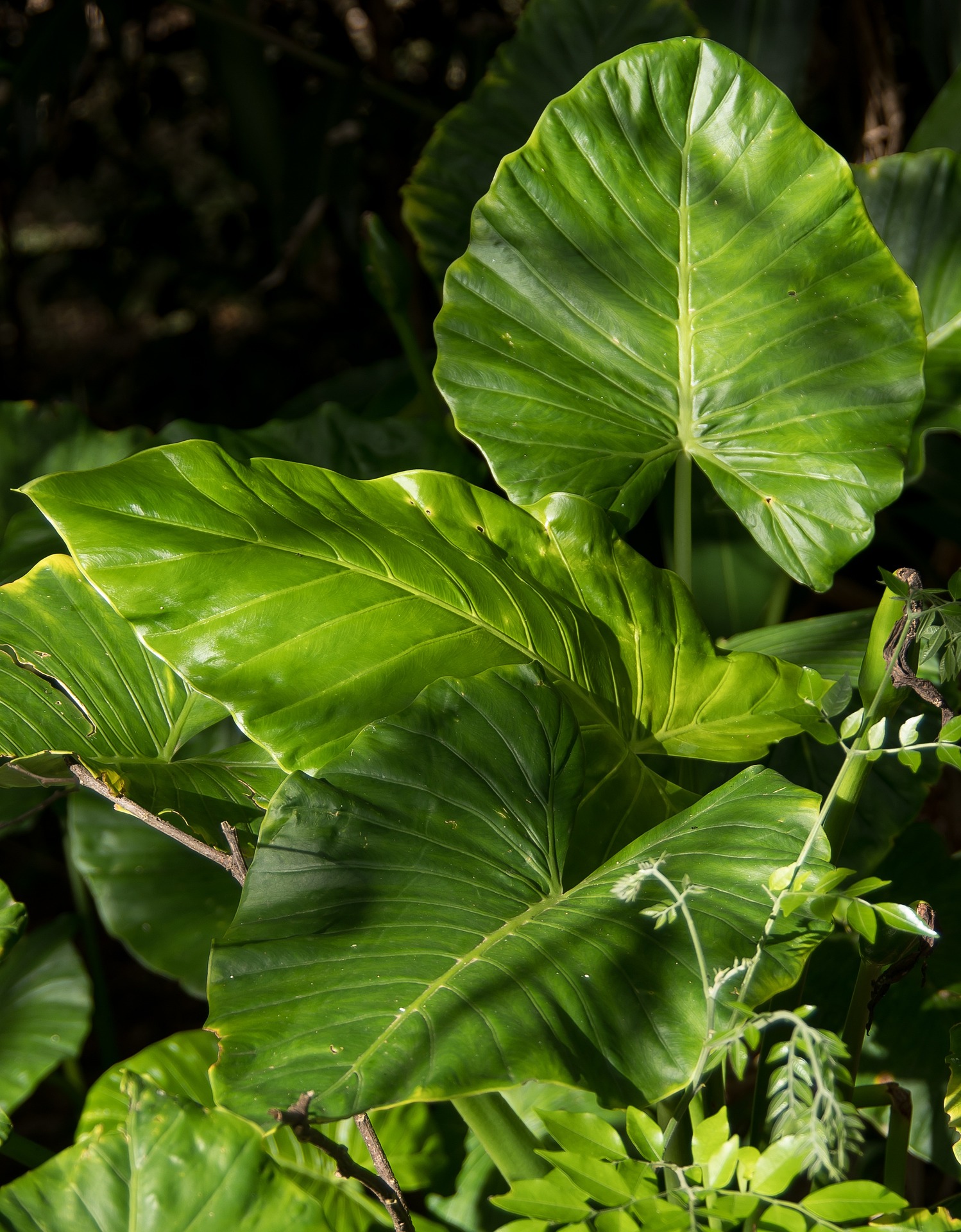
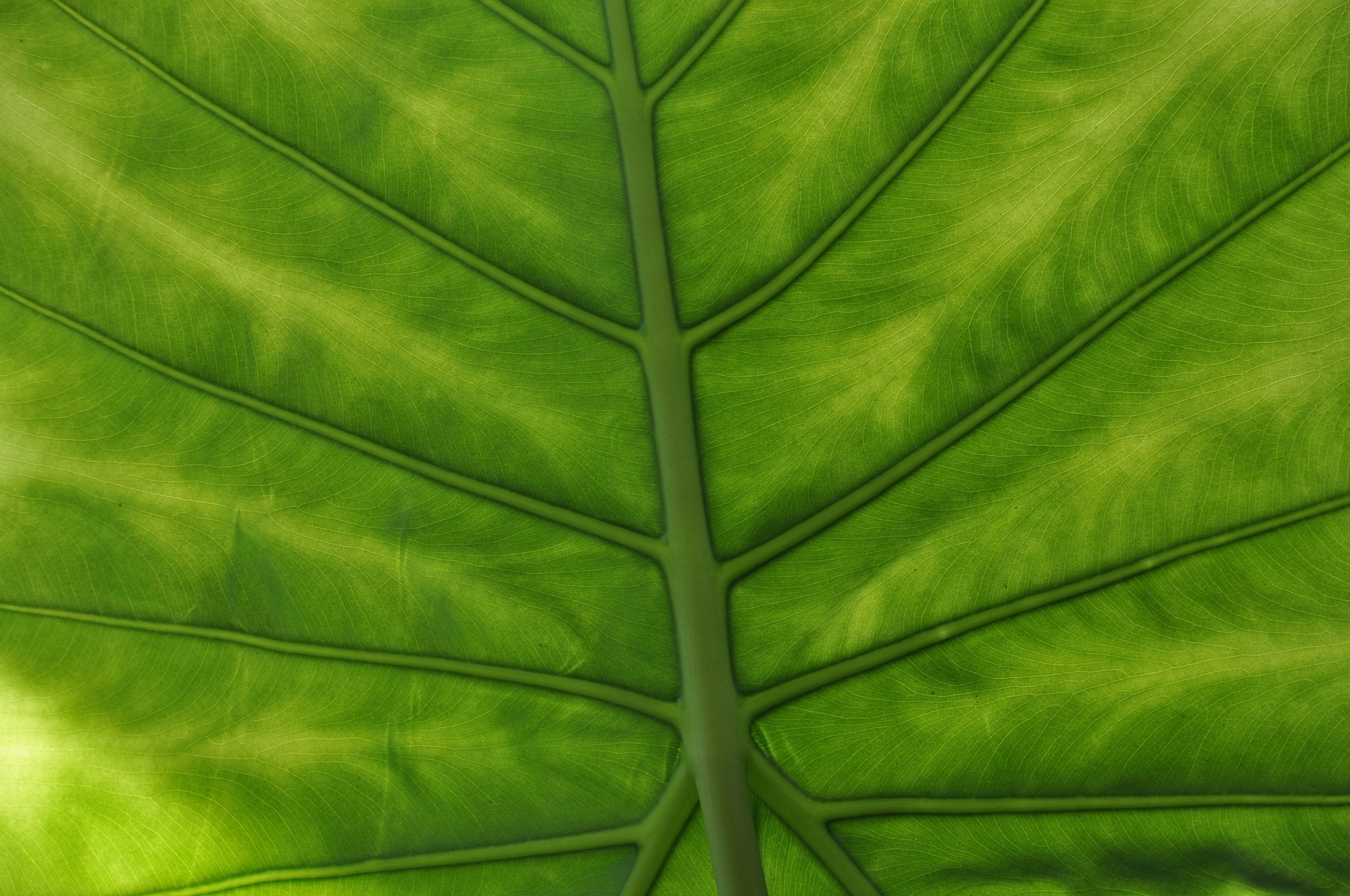
Die Alocasia macrorrhiza, oft Riesenelefantenohr genannt, gehört zur Familie der Aronstabgewächse (Araceae) und stammt ursprünglich aus den tropischen Regenwäldern Südostasiens und Ozeaniens. Ihren Namen verdankt sie den bis zu 1,5 Meter langen, pfeilförmigen Blättern, die an riesige Elefantenohren erinnern. In tropischen Regionen kann die Pflanze selbst über 4 Meter Höhe erreichen, in Zimmerkultur bleibt sie jedoch kleiner.
Schon seit Jahrhunderten wird sie in Asien kultiviert: In einigen Kulturen dienten ihre knollenartigen Rhizome nach sorgfältiger Zubereitung als Nahrungsquelle – roh sind sie jedoch giftig, da sie Calciumoxalat-Kristalle enthalten, die Haut und Schleimhäute reizen.
Besonders interessant ist ihre Fähigkeit zur Guttation: An feuchten Tagen „weint“ die Alocasia kleine Wassertropfen von den Blattspitzen ab – ein spektakulärer, natürlicher Prozess.
Heute ist sie vor allem als Zierpflanze beliebt, da sie mit ihren monumentalen Blättern tropisches Flair in Wohnräume bringt. Sie benötigt allerdings viel Licht, Wärme und Luftfeuchtigkeit, um ihr imposantes Aussehen zu behalten.

Family

Arecaceae
Alocasia macrorrhiza, often called giant elephant ear, belongs to the arum family (Araceae) and originates from the tropical rainforests of Southeast Asia and Oceania. It owes its name to its arrow-shaped leaves, which can grow up to 1.5 metres long and resemble giant elephant ears. In tropical regions, the plant can reach a height of over 4 metres, but it remains smaller when grown indoors.
It has been cultivated in Asia for centuries: in some cultures, its tuberous rhizomes were carefully prepared and used as a source of food – however, they are poisonous when raw as they contain calcium oxalate crystals that irritate the skin and mucous membranes.
Its ability to guttate is particularly interesting: on humid days, the Alocasia ‘cries’ small drops of water from the tips of its leaves – a spectacular natural process.
Today, it is mainly popular as an ornamental plant, as its monumental leaves bring a tropical flair to living spaces. However, it needs plenty of light, warmth and humidity to maintain its impressive appearance.

Familia

Palmeras (Arecaceae)
La Alocasia macrorrhiza, a menudo llamada oreja de elefante gigante, pertenece a la familia de las aráceas (Araceae) y es originaria de las selvas tropicales del sudeste asiático y Oceanía. Debe su nombre a sus hojas en forma de flecha, de hasta 1,5 metros de largo, que recuerdan a las enormes orejas de un elefante. En las regiones tropicales, la planta puede alcanzar más de 4 metros de altura, pero en cultivo de interior se mantiene más pequeña.
Se cultiva en Asia desde hace siglos: en algunas culturas, sus rizomas tuberosos se utilizaban como fuente de alimento tras una cuidadosa preparación, pero crudos son tóxicos, ya que contienen cristales de oxalato de calcio que irritan la piel y las mucosas.
Especialmente interesante es su capacidad de gutación: en días húmedos, la Alocasia «llora» pequeñas gotas de agua desde las puntas de las hojas, un proceso natural espectacular.
Hoy en día es muy popular como planta ornamental, ya que con sus hojas monumentales aporta un toque tropical a los espacios interiores. Sin embargo, necesita mucha luz, calor y humedad para mantener su imponente aspecto.