Agave attenuata

DRACHENBAUM-AGAVE

Englische Bezeichnung: Foxtail, Lion’s tail, Swan’s Neck Agave
Spanische Bezeichnung: ágave atenuado, Agave del dragón

Familie  

Spargelgewächse (Asparagaceae)
Die Agave attenuata, auch Schwanenhals- oder Fuchsschwanz-Agave genannt, gehört zur Familie der Spargelgewächse (Asparagaceae) und stammt ursprünglich aus Zentralmexiko. Sie ist eine sukkulente Pflanze, die im Gegensatz zu vielen anderen Agaven keine scharfen Stacheln an den Blättern besitzt und dadurch besonders beliebt als Zierpflanze ist. Ihre rosettenförmig angeordneten, hellgrünen bis bläulich-grünen Blätter können bis zu 70 cm lang werden.
Namensgebend ist der spektakuläre Blütenstand: Nach vielen Jahren bildet die Pflanze einen bis zu 4 Meter langen, geschwungenen Blütenstängel, der an einen Schwanenhals erinnert und mit zahlreichen gelblich-grünen Blüten besetzt ist. Nach der Blüte stirbt die Rosette wie bei allen Agaven zwar ab, doch zuvor bildet sie meist zahlreiche Seitentriebe, sodass die Pflanze sich vegetativ weitervermehrt.
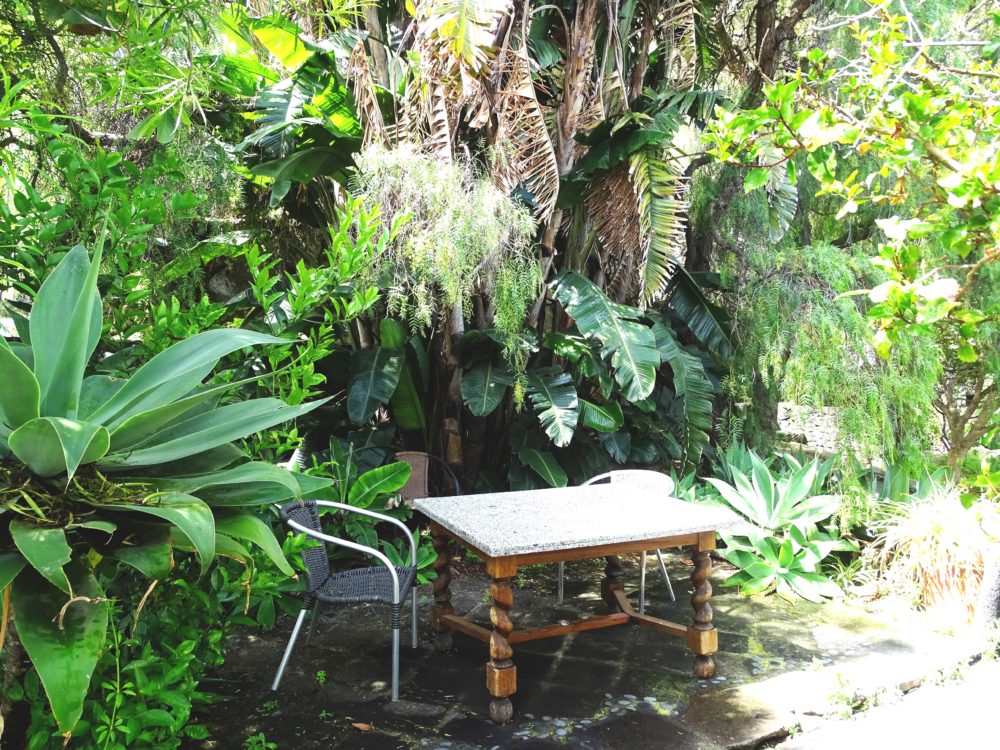
Agave attenuata ist trockenheitsresistent, pflegeleicht und eignet sich hervorragend für mediterrane und subtropische Gärten sowie als Kübelpflanze. Sie ist weniger frosthart als andere Agavenarten, dafür aber aufgrund ihrer dornenlosen Blätter sehr geschätzt. Medizinische oder praktische Nutzungen spielen bei dieser Art eine geringere Rolle, im Vordergrund steht ihr dekorativer Wert.
Kulturell gilt sie vielerorts als Symbol für Eleganz und Beständigkeit, da sie auch unter kargen Bedingungen gedeiht. In der modernen Gartenkultur ist sie ein Highlight in Steingärten und modernen Landschaftsgestaltungen.

Family

Asparagaceae
Agave attenuata, also known as swan neck or foxtail agave, belongs to the asparagus family (Asparagaceae) and originates from central Mexico. It is a succulent plant which, unlike many other agaves, does not have sharp spines on its leaves, making it particularly popular as an ornamental plant. Its rosette-shaped, light green to bluish-green leaves can grow up to 70 cm long.
It gets its name from its spectacular inflorescence: after many years, the plant forms a curved flower stalk up to 4 metres long, reminiscent of a swan’s neck and covered with numerous yellowish-green flowers. After flowering, the rosette dies off, as with all agaves, but before doing so it usually forms numerous side shoots, allowing the plant to reproduce vegetatively.
Agave attenuata is drought-resistant, easy to care for and ideal for Mediterranean and subtropical gardens as well as for growing in pots. It is less frost-hardy than other agave species, but is highly valued for its thornless leaves. Medical or practical uses play a lesser role with this species; its decorative value is more important.
Culturally, it is considered in many places to be a symbol of elegance and endurance, as it thrives even in barren conditions. In modern gardening, it is a highlight in rockeries and modern landscape designs.

Familia

Asparagaceae
La Agave attenuata, también conocida como agave cuello de cisne o cola de zorro, pertenece a la familia de las espárragáceas (Asparagaceae) y es originaria del centro de México. Es una planta suculenta que, a diferencia de muchas otras agaves, no tiene espinas afiladas en las hojas, lo que la hace especialmente popular como planta ornamental. Sus hojas, dispuestas en forma de roseta, de color verde claro a verde azulado, pueden alcanzar hasta 70 cm de longitud.
Su nombre proviene de su espectacular inflorescencia: tras muchos años, la planta forma un tallo floral curvado de hasta 4 metros de longitud, que recuerda al cuello de un cisne y está cubierto de numerosas flores de color verde amarillento. Después de la floración, la roseta muere, como ocurre con todas las agaves, pero antes suele formar numerosos brotes laterales, de modo que la planta se reproduce vegetativamente.
Agave attenuata es resistente a la sequía, fácil de cuidar y es ideal para jardines mediterráneos y subtropicales, así como para macetas. Es menos resistente a las heladas que otras especies de agave, pero muy apreciada por sus hojas sin espinas. Los usos médicos o prácticos de esta especie son menos importantes, ya que destaca sobre todo por su valor decorativo.
Culturalmente, se considera en muchos lugares un símbolo de elegancia y resistencia, ya que prospera incluso en condiciones áridas. En la jardinería moderna, es un elemento destacado en los jardines de rocas y en los diseños paisajísticos modernos.