
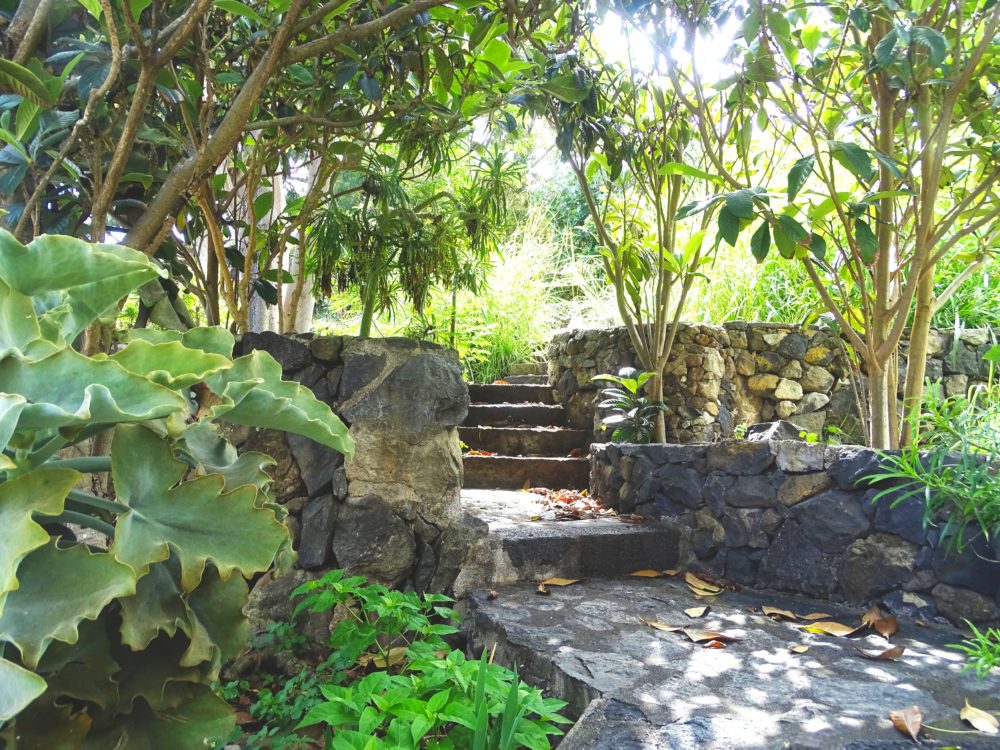
Spathodea campanulata

AFRIKANISCHER TULPENBAUM

Englische Bezeichnung: African Tulip Tree
Spanische Bezeichnung: Tulipanero Africano,

Familie  

Trompetenbaumgewächse (Bignoniaceae)
Die Spathodea campanulata, auch Afrikanischer Tulpenbaum genannt, stammt ursprünglich aus den tropischen Regionen West- und Zentralafrikas und gehört zur Familie der Bignoniaceae. Er ist ein immergrüner bis halbimmergrüner Baum, der Höhen von 10 bis 20 Metern erreichen kann. Charakteristisch sind seine riesigen, glockenförmigen, leuchtend orange-roten Blüten, die ihm den Namen „Flame of the Forest“ eingebracht haben. Die Blüten stehen in dichten Büscheln und öffnen sich nacheinander, wodurch der Baum über Wochen hinweg in intensiver Farbenpracht erstrahlt.
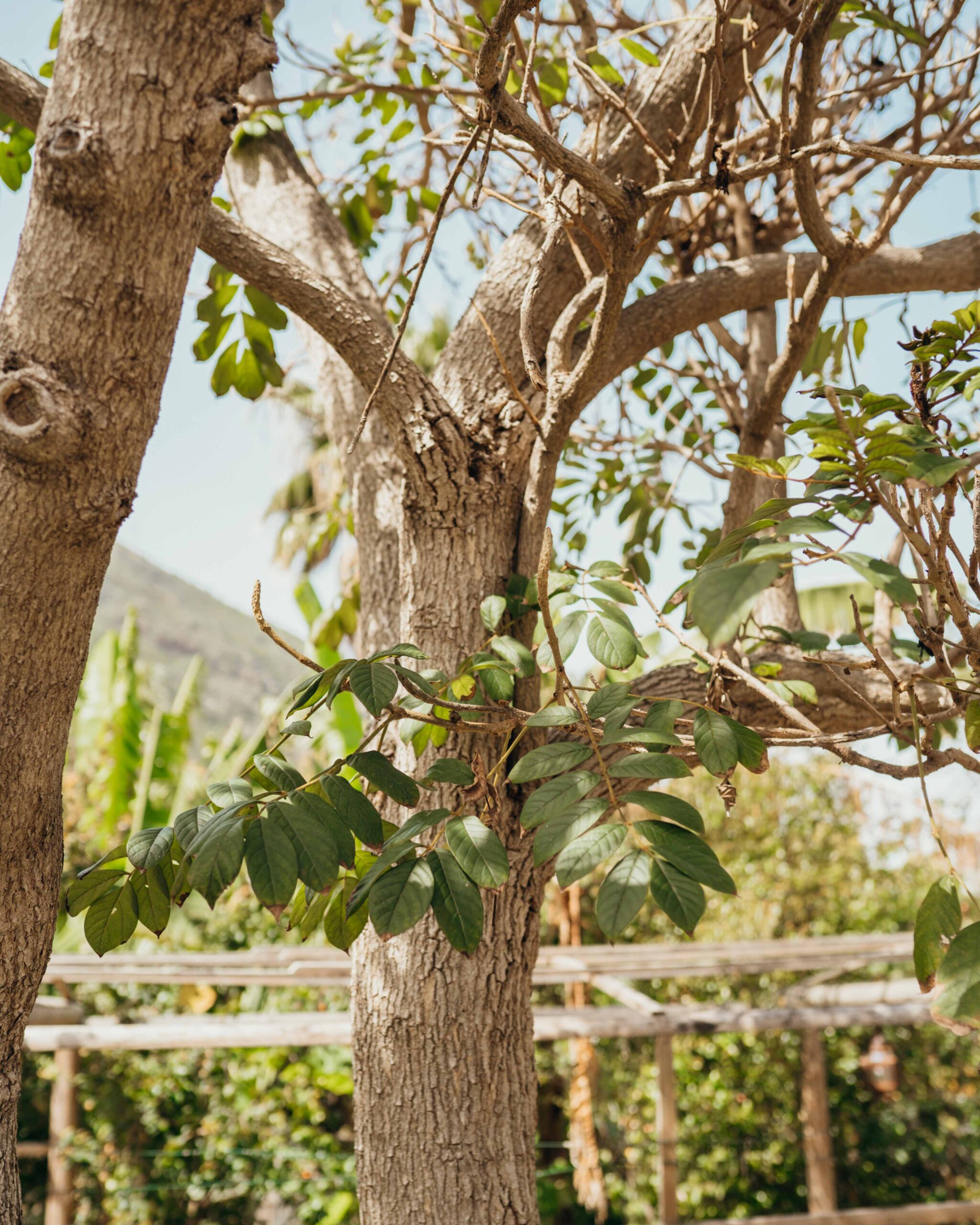
Botanisch interessant ist, dass die geschlossenen Knospen als „Wasserspeicher“ fungieren – Kinder in Afrika nutzten sie traditionell wie kleine Wasserpistolen. Der Baum produziert zudem holzige Kapselfrüchte, die zahlreiche geflügelte Samen enthalten und sich bei Trockenheit aufspalten. Sein schnelles Wachstum und die auffällige Blüte haben ihn weltweit zu einer beliebten Zierpflanze in tropischen und subtropischen Regionen gemacht, etwa in Asien, Amerika und auf Pazifikinseln.
In der Volksmedizin verschiedener Länder werden Teile der Pflanze genutzt, z. B. gegen Hautleiden, Fieber oder Infektionen, auch wenn wissenschaftliche Studien die Wirksamkeit bislang nur teilweise bestätigen. Kulturell gilt der Afrikanische Tulpenbaum vielerorts als Symbol für Schönheit und Vitalität, wird aber auch als invasive Art betrachtet, da er sich außerhalb Afrikas stark verbreiten und heimische Vegetation verdrängen kann.

Family

Trumpet tree family (Bignoniaceae)
Spathodea campanulata, also known as the African tulip tree, originates from the tropical regions of West and Central Africa and belongs to the Bignoniaceae family. It is an evergreen to semi-evergreen tree that can reach heights of 10 to 20 metres. It is characterised by its huge, bell-shaped, bright orange-red flowers, which have earned it the name ‘Flame of the Forest’. The flowers grow in dense clusters and open one after the other, causing the tree to glow in intense colours for weeks on end.
Botanically interesting is that the closed buds act as ‘water reservoirs’ – children in Africa traditionally used them as small water pistols. The tree also produces woody capsule fruits that contain numerous winged seeds and split open during dry periods. Its rapid growth and striking flowers have made it a popular ornamental plant in tropical and subtropical regions around the world, such as Asia, America and the Pacific Islands.
Parts of the plant are used in folk medicine in various countries, e.g. to treat skin conditions, fever or infections, although scientific studies have so far only partially confirmed its effectiveness. Culturally, the African tulip tree is considered a symbol of beauty and vitality in many places, but it is also regarded as an invasive species because it can spread rapidly outside Africa and displace native vegetation.

Familia

Familia del árbol de la trompeta (Bignoniaceae)
La Spathodea campanulata, también conocida como tulipán africano, es originaria de las regiones tropicales de África occidental y central y pertenece a la familia de las Bignoniaceae. Es un árbol de hoja perenne o semperverde que puede alcanzar alturas de entre 10 y 20 metros. Se caracteriza por sus enormes flores acampanadas de color naranja rojizo brillante, que le han valido el nombre de «llama del bosque». Las flores crecen en densos racimos y se abren una tras otra, lo que hace que el árbol brille con intensos colores durante semanas.
Desde el punto de vista botánico, es interesante que los capullos cerrados actúan como «depósitos de agua»: los niños africanos los utilizan tradicionalmente como pequeñas pistolas de agua. El árbol también produce frutos leñosos en forma de cápsula que contienen numerosas semillas aladas y se abren durante la estación seca. Su rápido crecimiento y su llamativa floración lo han convertido en una planta ornamental muy popular en las regiones tropicales y subtropicales de todo el mundo, como Asia, América y las islas del Pacífico.
En la medicina popular de varios países se utilizan partes de la planta, por ejemplo, para tratar afecciones cutáneas, fiebre o infecciones, aunque los estudios científicos solo han confirmado parcialmente su eficacia hasta la fecha. Culturalmente, el tulipán africano se considera en muchos lugares un símbolo de belleza y vitalidad, pero también se considera una especie invasora, ya que puede propagarse rápidamente fuera de África y desplazar a la vegetación autóctona.