Schinus I.

FALSCHER PFEFFERBAUM

Englische Bezeichnung: Pepper tree
Spanische Bezeichnung: Los Molles
Familie  

Sumachgewächse (Anacardiaceae)
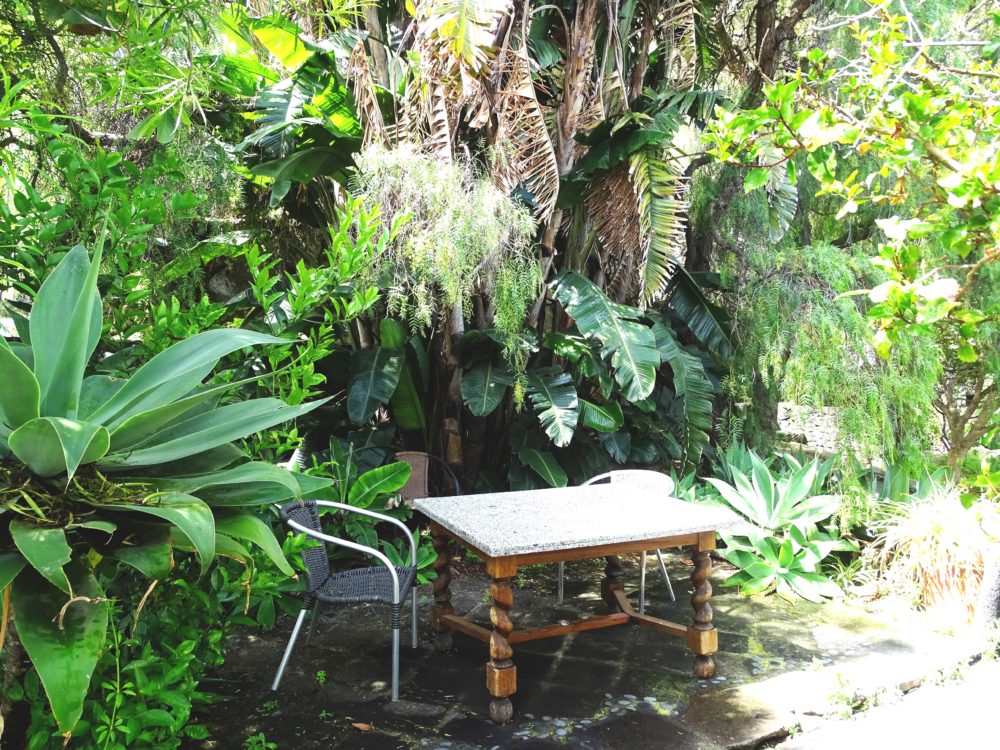
Der Schinus latifolius, auch als Breitblättriger Pfefferbaum bekannt, gehört wie Schinus molle zur Familie der Sumachgewächse (Anacardiaceae) und ist in Südamerika, insbesondere in Argentinien, Chile und Uruguay, beheimatet. Er wächst als immergrüner Strauch oder kleiner Baum von bis zu 8–10 Metern Höhe. Charakteristisch sind seine verhältnismäßig breiten, lederartigen Blätter, die ihn von den gefiederten Arten unterscheiden. Die Pflanze bildet kleine, gelbliche Blütenstände und rötliche Früchte, die wie bei anderen Schinus-Arten optisch an Pfeffer erinnern, jedoch kein echter Pfeffer sind.
Traditionell wurden Blätter und Früchte in der Volksmedizin eingesetzt – etwa als Aufguss gegen Magenbeschwerden, Erkältungen und leichte Entzündungen. Auch das Harz fand Verwendung, ähnlich wie bei Schinus molle, als Räucherstoff und für antiseptische Anwendungen. Botanisch interessant ist seine hohe Widerstandskraft: Schinus latifolius gedeiht in trockenen, nährstoffarmen Böden und wird daher häufig in der Landschaftspflege oder als Windschutzhecke gepflanzt.
Kulturell steht die Art in ihrer Heimat für Robustheit und Schutz und ist ein typischer Vertreter der südamerikanischen Flora, wenngleich sie international weniger verbreitet ist als der bekanntere Peruanische Pfefferbaum.

Family

Sumacaceae (Anacardiaceae)
Schinus latifolius, also known as the broad-leaved pepper tree, belongs to the sumac family (Anacardiaceae) like Schinus molle and is native to South America, particularly Argentina, Chile and Uruguay. It grows as an evergreen shrub or small tree up to 8–10 metres tall. It is characterised by its relatively broad, leathery leaves, which distinguish it from the pinnate species. The plant produces small, yellowish inflorescences and reddish fruits, which, like other Schinus species, resemble pepper in appearance but are not true pepper.
Traditionally, the leaves and fruits were used in folk medicine – for example, as an infusion for stomach complaints, colds and minor inflammations. The resin was also used, similar to Schinus molle, as an incense and for antiseptic applications. Its high resistance is botanically interesting: Schinus latifolius thrives in dry, nutrient-poor soils and is therefore often planted in landscape conservation or as a windbreak hedge.
Culturally, the species represents robustness and protection in its native habitat and is a typical representative of South American flora, although it is less widespread internationally than the better-known Peruvian pepper tree.

Familia

Sumacaceae (Anacardiaceae)
Schinus latifolius, también conocido como árbol de pimienta de hoja ancha, pertenece a la familia de los sumac (Anacardiaceae), al igual que Schinus molle, y es originario de Sudamérica, concretamente de Argentina, Chile y Uruguay. Crece como arbusto o árbol pequeño de hoja perenne de hasta 8-10 metros de altura. Se caracteriza por sus hojas relativamente anchas y coriáceas, que lo distinguen de las especies pinnadas. La planta produce pequeñas inflorescencias amarillentas y frutos rojizos que, al igual que otras especies de Schinus, se parecen a la pimienta en apariencia, pero no son pimienta verdadera.
Tradicionalmente, las hojas y los frutos se utilizaban en la medicina popular, por ejemplo, como infusión para dolencias estomacales, resfriados e inflamaciones leves. La resina también se utilizaba, al igual que la de Schinus molle, como incienso y para aplicaciones antisépticas. Su alta resistencia es interesante desde el punto de vista botánico: Schinus latifolius prospera en suelos secos y pobres en nutrientes, por lo que a menudo se planta en la conservación del paisaje o como seto cortavientos.
Culturalmente, la especie representa la robustez y la protección en su hábitat natural y es un representante típico de la flora sudamericana, aunque está menos extendida internacionalmente que el más conocido árbol de pimienta peruano.