Begonia cucullata

Begonie

Englische Bezeichnung: Wax Begonia
Spanische Bezeichnung: Flor de nácar y agrial, Flor de Cera

Familie  

Begoniengewächse
Die Begonie (Begonia cucullata), auch als Garten- oder Eisbegonie bekannt, stammt ursprünglich aus Südamerika, vor allem aus Brasilien und Argentinien. Heute ist sie weltweit eine der beliebtesten Zierpflanzen.
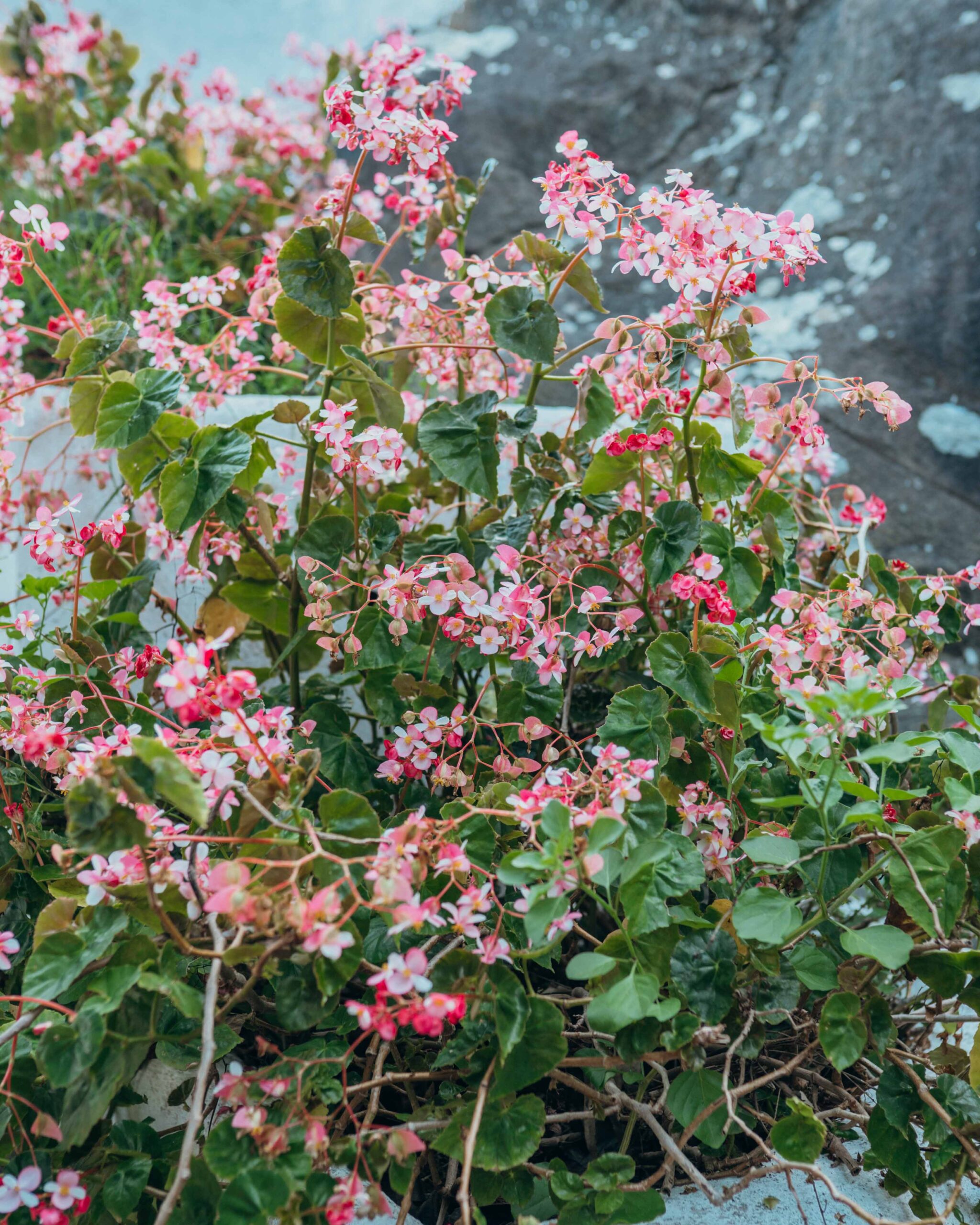
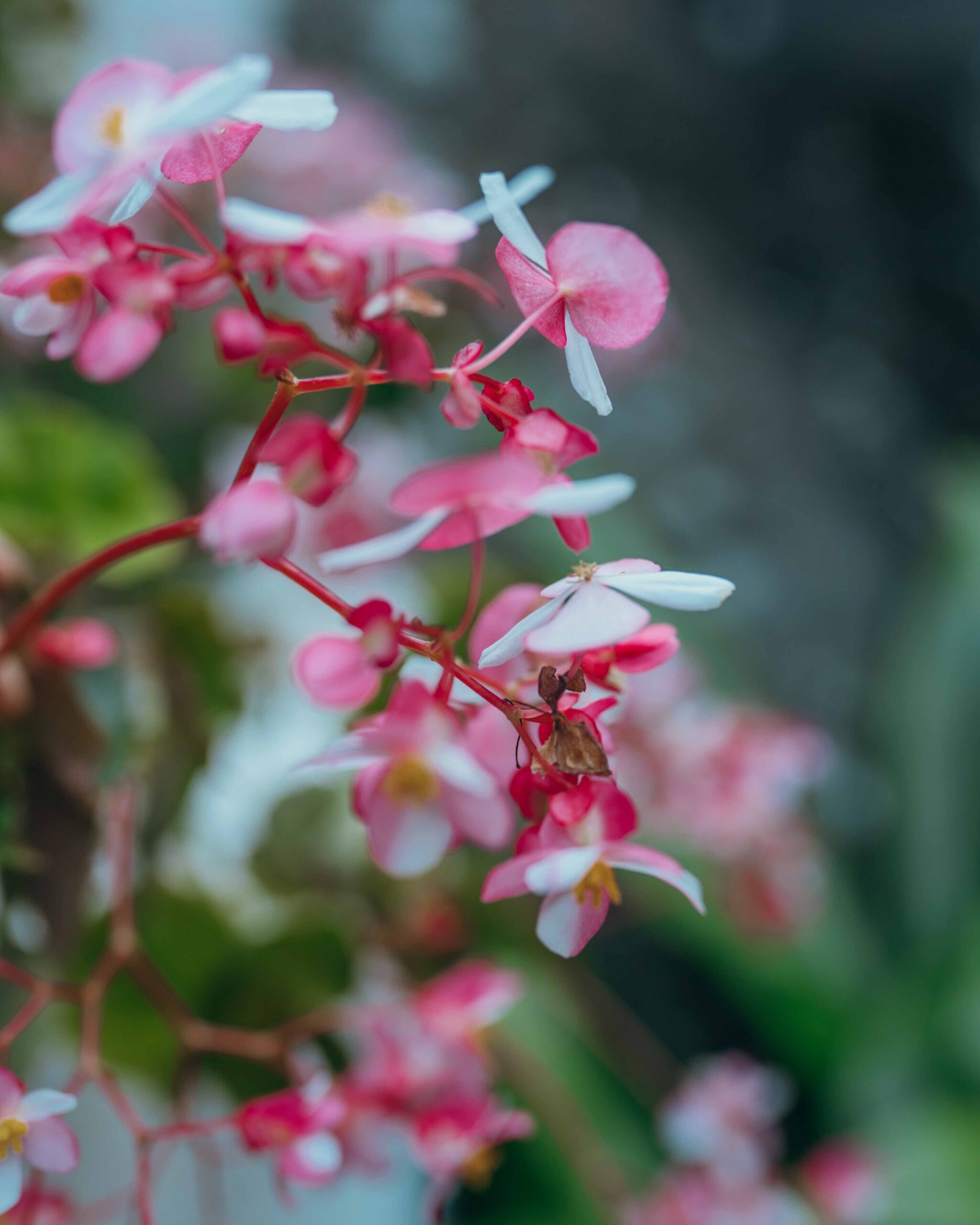
Sie ist eine mehrjährige, aber meist einjährig kultivierte Pflanze mit saftig-grünen bis rötlichen Blättern und leuchtenden Blüten in Weiß, Rosa oder Rot. Die Blütezeit reicht fast über das ganze Jahr, besonders reichlich jedoch im Sommer.
Begonien sind äußerst pflegeleicht und anpassungsfähig – sie gedeihen sowohl in Beeten als auch in Kübeln und Balkonkästen. Ihr Name „Eisbegonie“ spielt auf ihre Robustheit an: Auch kühlere Temperaturen überstehen sie vergleichsweise gut.
In ihrer Heimat werden die Blätter mancher Begonienarten traditionell in der Volksmedizin genutzt, etwa gegen Entzündungen oder als kühlendes Mittel. Außerdem sind Begonien wichtige Zierpflanzen in tropischen Parks und Gärten.
Die Gattung Begonia ist mit über 1.800 Arten eine der größten Pflanzengattungen überhaupt – Begonia cucullata ist nur eine Vertreterin dieser beeindruckenden Vielfalt.
Die Garten-Begonie überzeugt durch ihre langen Blühphasen, ihre Anspruchslosigkeit und ihre leuchtende Farbenpracht – ein echtes „Volksliebling“ unter den Zierpflanzen.

Family

Begoniaceae
The begonia (Begonia cucullata), also known as the garden or ice begonia, originates from South America, primarily Brazil and Argentina. Today, it is one of the most popular ornamental plants worldwide.
It is a perennial plant, but is usually cultivated as an annual, with lush green to reddish leaves and bright flowers in white, pink or red. The flowering period lasts almost the entire year, but is particularly abundant in summer.
Begonias are extremely easy to care for and adaptable – they thrive in beds as well as in pots and balcony boxes. Their name ‘ice begonia’ alludes to their robustness: they also survive cooler temperatures comparatively well.
In their native habitat, the leaves of some begonia species are traditionally used in folk medicine, for example to treat inflammation or as a cooling agent. Begonias are also important ornamental plants in tropical parks and gardens.
With over 1,800 species, the Begonia genus is one of the largest plant genera in existence – Begonia cucullata is just one representative of this impressive diversity.
The garden begonia impresses with its long flowering periods, its undemanding nature and its bright colours – a real ‘people’s favourite’ among ornamental plants.

Familia

Begoniaceae
La begonia (Begonia cucullata), también conocida como begonia de jardín o begonia de hielo, es originaria de Sudamérica, principalmente de Brasil y Argentina. Hoy en día es una de las plantas ornamentales más populares del mundo.
Es una planta perenne, pero se cultiva principalmente como anual, con hojas de color verde intenso a rojizo y flores brillantes de color blanco, rosa o rojo. El período de floración se extiende casi todo el año, pero es especialmente abundante en verano.
Las begonias son muy fáciles de cuidar y adaptables: prosperan tanto en parterres como en macetas y jardineras. Su nombre «begonia de hielo» hace referencia a su robustez: también soportan relativamente bien las temperaturas más frías.
En su lugar de origen, las hojas de algunas especies de begonias se utilizan tradicionalmente en la medicina popular, por ejemplo, contra las inflamaciones o como remedio refrescante. Además, las begonias son plantas ornamentales importantes en los parques y jardines tropicales.
El género Begonia, con más de 1800 especies, es uno de los géneros de plantas más grandes que existen; la Begonia cucullata es solo una representante de esta impresionante diversidad.
La begonia de jardín convence por sus largos periodos de floración, su sencillez y sus brillantes colores, lo que la convierte en una auténtica «favorita del público» entre las plantas ornamentales.